Explore our premium range of engineered WPC doghe, acoustic wall panels, UV decorative sheets, and SPC architectural coverings.
Deconstructing the technical parameters, structural composition, and international trade classification of Wood-Plastic Composite slatted profiles.
In global architectural engineering and interior design lexicon, "Doghe in WPC" (originating from the Italian architectural terminology for Wood-Plastic Composite slats, louvers, or planks) represents a pivotal leap in material science. Designed to replace traditional timber cladding, hardwood decking, and structural linear battens, WPC doghe engineered in China combine the organic aesthetic appeal of natural timber with the thermoplastic durability of high-density polymers.
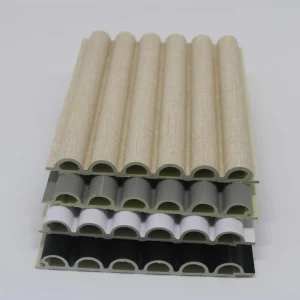
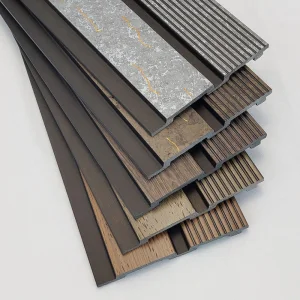
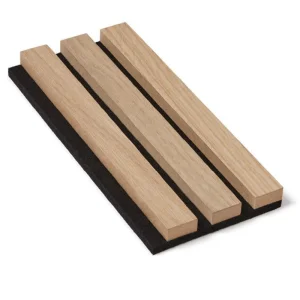
As commercial architects and residential developers globally shift toward sustainable, maintenance-free facade and interior cladding systems, Chinese suppliers have emerged as the primary hub for advanced extrusion technology. The term "doghe" encompasses a broad range of geometric profiles, including hollow multi-channeled exterior facade slats, solid interlocking tongue-and-groove decking boards, fluted interior wall panels, and acoustic timber-slat acoustic modules.
Core Semantic Differentiation: Unlike standard PVC trim or solid timber planks, industrial-grade Doghe in WPC manufactured by industry leaders like Linyi Rich New Materials Co., Ltd. leverage a micro-foamed matrix of refined hardwood flour, recycled high-density polyethylene (HDPE) or polyvinyl chloride (PVC), eco-friendly coupling agents, and specialized UV-stabilizers. This results in superior dimensional stability, anti-fungal properties, and Class B-s1 fire resistance.
The manufacturing architecture of high-grade WPC doghe relies on precise thermal extrusion. The exact ratio of organic fiber to polymer matrix dictates structural rigidity, flexural modulus, and water absorption rates:
A modernized industrial titan integrating specialized R&D, automated co-extrusion manufacturing, and global direct distribution.
Headquartered in Linyi City, Shandong Province—China’s premier timber and building materials logistical ecosystem—Linyi Rich New Materials Co., Ltd. operates an intelligent production facility spanning over 100,000 square meters. Employing a workforce of over 300 professional technicians, the organization operates at the intersection of material innovation and high-throughput automated manufacturing.
Our infrastructure is designed for high-precision batch consistency, operating continuous 24/7 extrusion lines equipped with inline ultrasonic thickness monitoring and automated colorimetric balancing. Adhering strictly to the ISO9001 Quality Management System and ISO14001 Environmental Standards, our products routinely surpass stringent European CE and North American ASTM test standardizations.
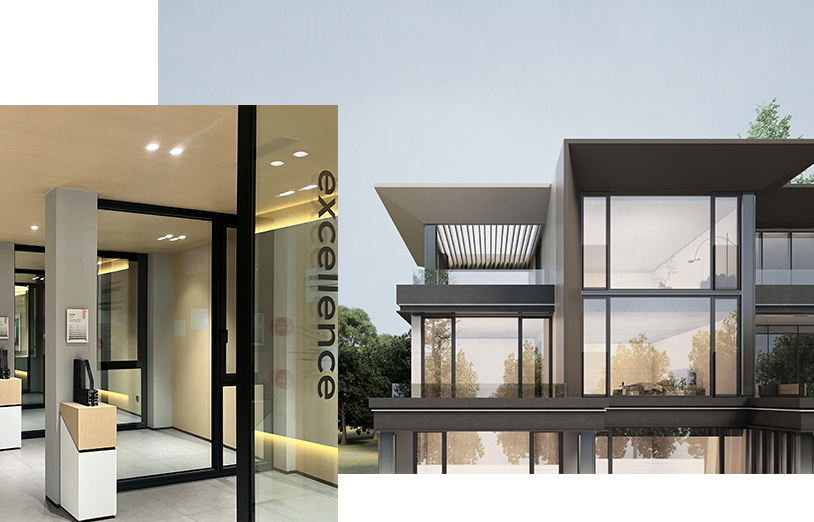
Diversified extrusion portfolios engineered to address commercial architectural, interior acoustic, and heavy-duty exterior cladding demands.
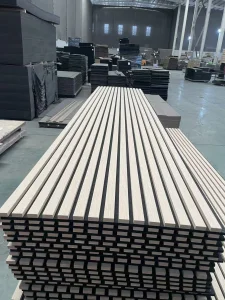
Operates 120 fully automated production lines yielding approximately 12 million square meters annually. Combines warm wood textures with flame-retardant polymers, heavily specified for interior feature walls, louver ceilings, and spatial partitions.
Powered by 40 customized heavy-duty co-extrusion lines producing 2 million square meters annually. Specifically formulated with capped 360-degree protective shields to resist extreme UV exposure, freeze-thaw cycles, and tropical humidity.
Houses 4 high-precision rigid-core SPC production lines delivering 3 million square meters per year. Features a stone-plastic composite core providing 100% waterproof protection, zero formaldehyde off-gassing, and high impact tolerance for commercial foot traffic.
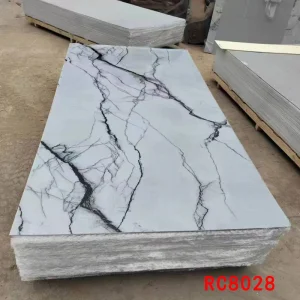
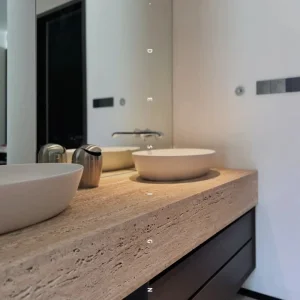
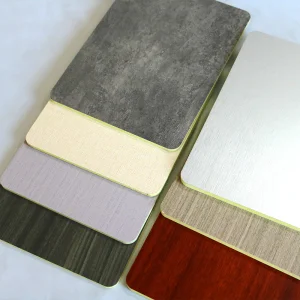
Utilizes 12 customized coating lines supported by dust-free UV curing workshops. Output reaches 6 million square meters annually, replicating real marble, granite, and metallic finishes at a fraction of structural load weight.
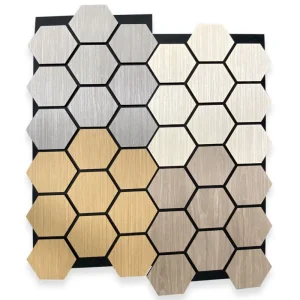
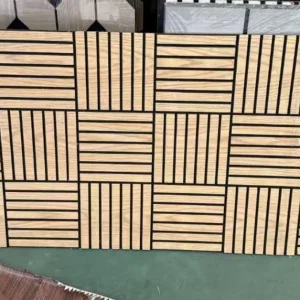
Fully integrated in-house polyester felt assembly and automated multiaxis CNC engraving machinery. Enables custom slat width ratios, noise reduction coefficient (NRC) tuning up to 0.85, and bespoke decorative shapes.
Driven by 6 advanced extrusion systems supported by 200+ precision steel molds. Offers ultra-lightweight, moisture-proof polystyrene trims alongside high-rigidity carbon fiber composite sheets for luxury interior fit-outs.
An in-depth analysis of supply chain integration, raw material scaling, technological capabilities, and export competitiveness.
Global procurement directors face persistent pressures regarding material costs, lead times, and strict quality control. Sourcing WPC slats directly from tier-1 Chinese manufacturers like Linyi Rich New Materials provides quantifiable operational advantages:
The global demand for composite doghe is accelerating across Europe, North America, the Middle East, and Latin America. Key factors accelerating adoption include:
1. Environmental Regulations (Deforestation Policies): Strict European timber harvesting regulations are prompting architects to specify 100% recyclable wood-plastic alternatives that utilize post-industrial wood fiber.
2. Life-Cycle Cost Supremacy: While natural tropical hardwoods (such as Teak or Ipe) demand annual oiling, sanding, and chemical sealing, co-extruded WPC doghe require zero structural maintenance, reducing 10-year total cost of ownership (TCO) by over 60%.
3. Architectural Versatility: Modern design trends favor clean vertical line aesthetics (slatted louvers, fluted facades). WPC profiles provide crisp geometry that resists warping, cracking, or splintering under intense thermal stress.
From extreme climate exterior facades to high-traffic indoor environments, see how specialized WPC doghe perform in real-world environments.
Used extensively in modern commercial buildings, luxury villa exterior walls, and resort facades. Co-extruded WPC doghe serve as secondary rain-screens, providing UV protection, thermal insulation, and an elegant wood-look exterior that withstands coastal salt spray and high atmospheric humidity.
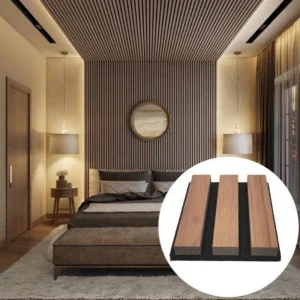
Fluted interior WPC doghe and semicircular wall panels add visual depth to hotel lobbies, executive conference rooms, and retail environments. Integrated tongue-and-groove installation reduces installation labor costs by up to 50% compared to traditional millwork.
Solid and hollow outdoor WPC doghe engineered with deep embossed wood-grain textures offer anti-slip resistance (R11 rating), zero splinter hazards for bare feet, and immunity to chlorine and saltwater corrosion around swimming pools.
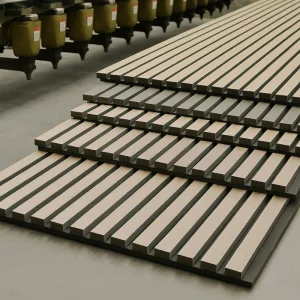
Combining slotted WPC doghe with high-density recycled PET felt backings creates high-performance acoustic surfaces. Ideal for auditoriums, home theaters, and open-plan offices requiring controlled sound reverberation times (RT60 mitigation).
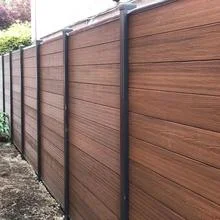
Composite WPC fence panels provide privacy and sound buffering for residential communities. Resistant to wind loads, termite attacks, and rot, these systems deliver decades of reliable service without needing paint or chemical sealants.
Lightweight timber-grain WPC open-cell louvers create modern suspended ceiling grids. They conceal HVAC ducts and electrical conduits while maintaining easy maintenance access and air circulation.
Critical engineering parameters and verification standards global procurement officers must verify prior to supplier selection.
Not all composite products perform identically under harsh environmental stress. To ensure long-term performance, international buyers should evaluate factory offerings against the following key metrics:
High-grade exterior WPC doghe should possess a core density ranging between 1.25 g/cm³ and 1.35 g/cm³. Low-quality manufacturers often over-foam the core matrix to reduce weight, compromising screw-holding power and flexural strength. Ask your supplier for cross-sectional micro-photographs to verify the absence of structural air pockets and uneven void distributions.
For outdoor cladding and decking applications, 2nd-generation co-extrusion technology is essential. A 360-degree acrylic or modified polyethylene outer shield permanently co-extruded around the inner core protects against UV degradation, oil stains, scratch damage, and moisture ingress. Ensure your factory uses fluorocarbon or ASA capping polymers for high-UV regions (e.g., Middle East, Australia, Arizona).
Because plastic polymers expand and contract with temperature changes, standard linear thermal expansion for premium WPC profiles should be controlled below ≤ 0.9 x 10⁻⁴ /°C. Chinese factories utilizing micro-crystalline mineral reinforcement minimize thermal creep, allowing for tighter butt-joint tolerances during installation.
Addressing core technical, logistical, and material queries from global buyers, contractors, and architects.
Browse our additional specialized composite building solutions engineered for comprehensive project specifications.
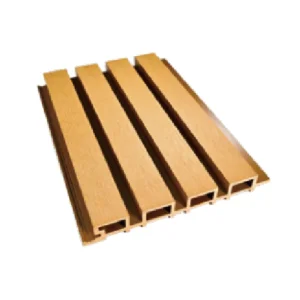
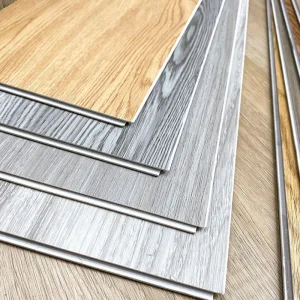
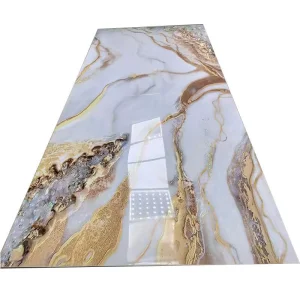
Linyi Rich New Materials Co., Ltd. continues to set standard benchmarks in green building material manufacturing. By integrating industry-university-research collaboration with automated co-extrusion technology, we empower international distributors, OEM partners, and architectural procurement specialists with superior quality and cost-competitive solutions.
 Rich New Materials