Direct Factory Supply for Global Commercial Infrastructure and Interior Architectural Projects
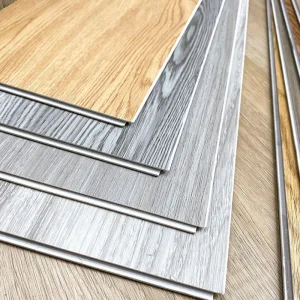
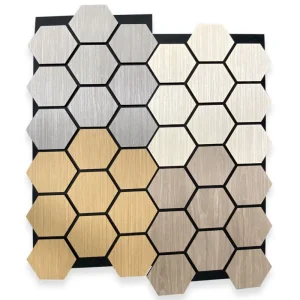
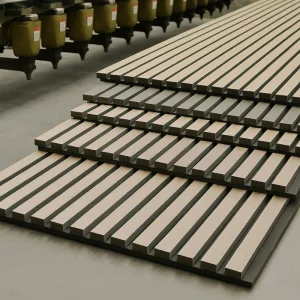
Global Industrial Vanguard in Eco-Friendly Building Materials & Composite Structural Engineering
Linyi Rich New Materials Co., Ltd. is a modernized industrial enterprise integrating research & development, precision manufacturing, and international distribution. Operating an intelligent production complex spanning over 100,000 square meters and powered by more than 300 technical experts, we lead the composite building materials sector with unrivaled extrusion technology, rigorous quality controls, and robust OEM/ODM production scalability.
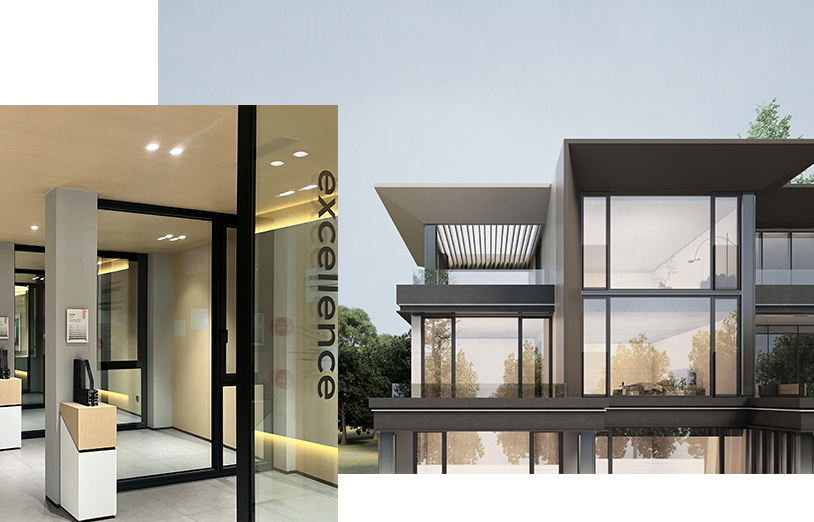
Structural Integrity, Rheological Properties, and Environmental Resilience in Decking Frameworks
In modern civil construction and commercial landscape architecture, the longevity of elevated decking, roof garden flooring, and exterior cladding systems relies entirely on the structural foundation. Traditional sub-framing materials—such as pressure-treated pine, pressure-treated softwood joists, and structural steel—present severe long-term engineering vulnerabilities. Timber joists are susceptible to rot, fungal decay, moisture absorption, warp, and termite infestation, while structural steel joists suffer from atmospheric corrosion, thermal bridge inefficiencies, and excessive dead weight.
As elite Custom WPC Joist Manufacturers & Factory, Linyi Rich New Materials Co., Ltd. resolves these microstructural failures through engineered Wood-Plastic Composite (WPC) substructure profiles. Formulated via matrix co-extrusion of high-density polyethylene (HDPE), micro-refined lignocellulosic wood fibers, and proprietary coupling agents, our WPC joists provide an impervious, high-load-bearing, zero-rot foundation designed for a 30+ year design lifecycle across demanding environmental conditions.
Engineered structural profile density (>1.3g/cm³) ensuring minimum deflection under heavy dynamic and static commercial foot traffic loads.
Closed-cell polymer matrix encapsulates organic fibers, preventing moisture absorption (<0.5%), warping, splitting, or mold growth in wet soils.
Formulated with Hindered Amine Light Stabilizers (HALS) and antioxidants to mitigate thermal expansion and solar degradation in extreme climates.
The mechanical behavior of a custom WPC joist is governed by the interfacial bonding strength between the non-polar hydrophobic polymer base (HDPE) and the polar hydrophilic bio-fillers (wood flour). At Linyi Rich, our R&D center utilizes Maleic Anhydride Grafted Polyethylene (MAPE) as a compatibilizer to bridge the interface at a molecular level.
This reaction creates cross-linked chemical bonds that prevent micro-void formation within the joist profile. Consequently, the tensile strength reaches up to 28 MPa, and flexural strength exceeds 35 MPa. Furthermore, fire-retardant additives such as Aluminum Trihydroxide (ATH) and Ammonium Polyphosphate (APP) are integrated into our high-performance joists to achieve Class B1 fire performance standards under EN 13501-1 testing.
| Physical / Mechanical Property | Standard Testing Protocol | Linyi Rich WPC Joist Specification | Conventional Softwood Joist |
|---|---|---|---|
| Density Profile | ASTM D792 | 1.35 g/cm³ – 1.40 g/cm³ | 0.45 g/cm³ – 0.55 g/cm³ |
| Flexural Strength (MOR) | EN 15534-1 / ASTM D790 | ≥ 32.5 MPa | 18.0 - 22.0 MPa |
| Flexural Modulus (MOE) | ASTM D790 | ≥ 3,200 MPa | 1,800 - 2,400 MPa |
| 24-Hour Water Absorption | ASTM D570 | < 0.6% (Impermeable) | 25.0% – 45.0% (Swells/Rots) |
| Linear Thermal Expansion (CLTE) | ASTM E831 | < 40 × 10⁻⁶ /°C | Anisotropic swelling/warping |
| Fire Reaction Class | EN 13501-1 / UL 94 | Class B1-s1, d0 (Self-extinguishing) | Class D/E (Highly Combustible) |
| Biological Resistance | ASTM G21 (Fungi / Mold) | Rating 0 (Complete Resistance) | Severe vulnerability over time |
Custom WPC joists engineered by our factory serve as the vital backbone across diverse international infrastructure and architecture verticals:
Linyi Rich New Materials Co., Ltd. maintains a multi-phase innovation roadmap. Our R&D initiative focuses on Co-Extruded Capped WPC Substructure Joists featuring an acrylic-styrene-acrylonitrile (ASA) outer shell. This technological advancement provides 100% resistance to petroleum-based stain drips, chemical exposure, and elevated temperatures while lowering friction co-efficients during clip fastening.
In tandem, we are integrating recycled carbon-fiber micro-strands into our structural extrusion lines to boost long-span capabilities. This will allow joist spans to expand up to 600mm center-to-center without increasing profile depth.
Extensive Manufacturing Lines Delivering Precision Engineering Across Material Categories
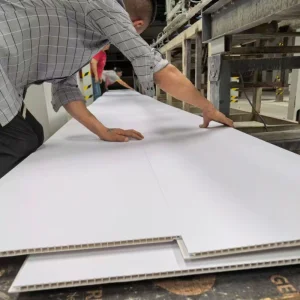
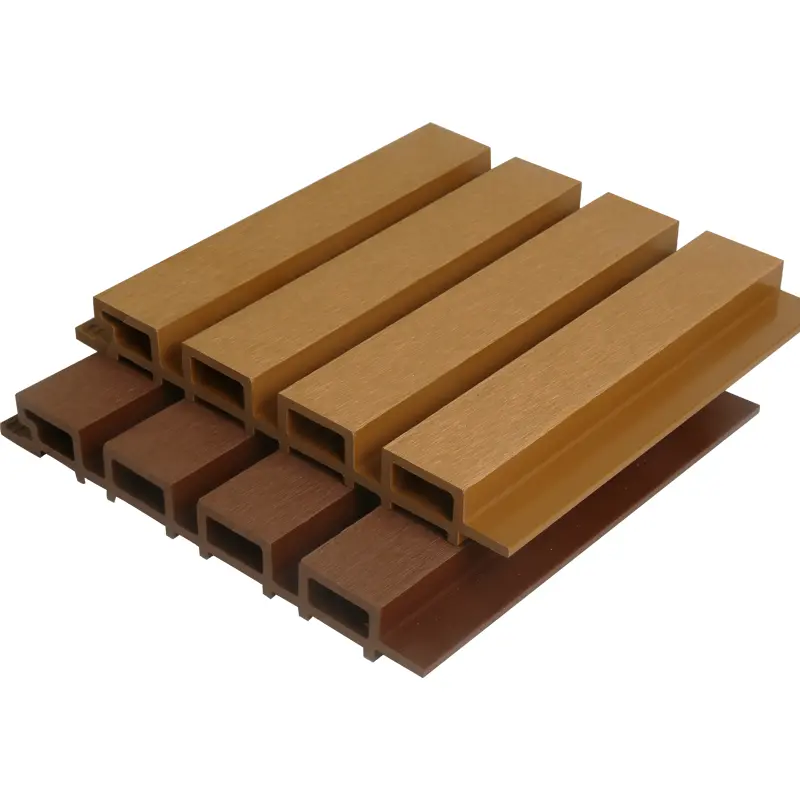
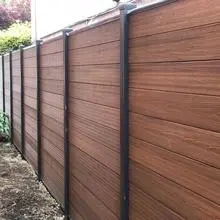
Operates 120 fully automated production lines with an annual capacity of approximately 12 million square meters. Blends wood aesthetics with industrial durability for structural applications.
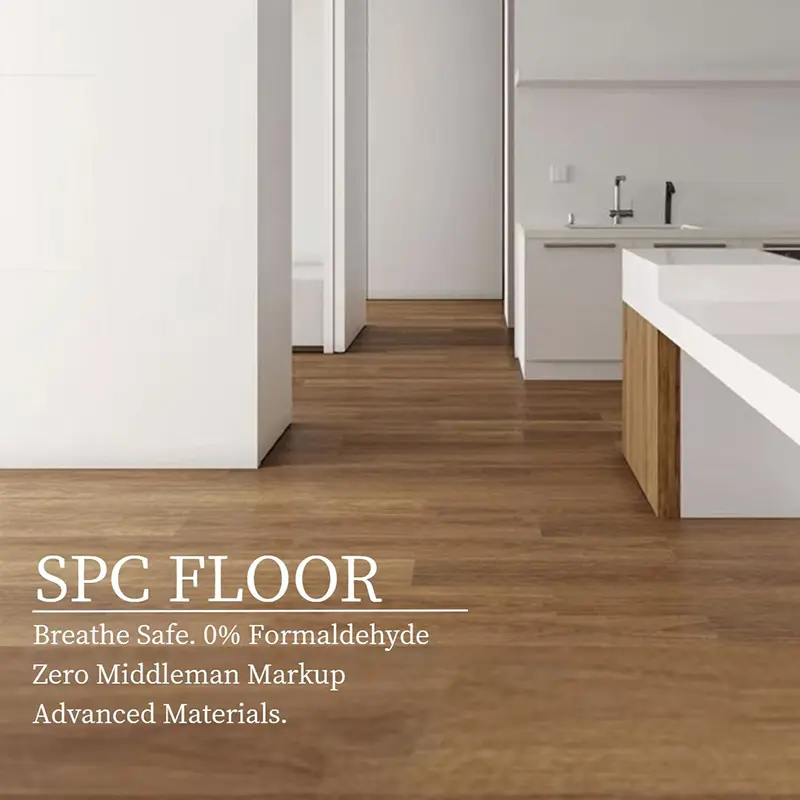
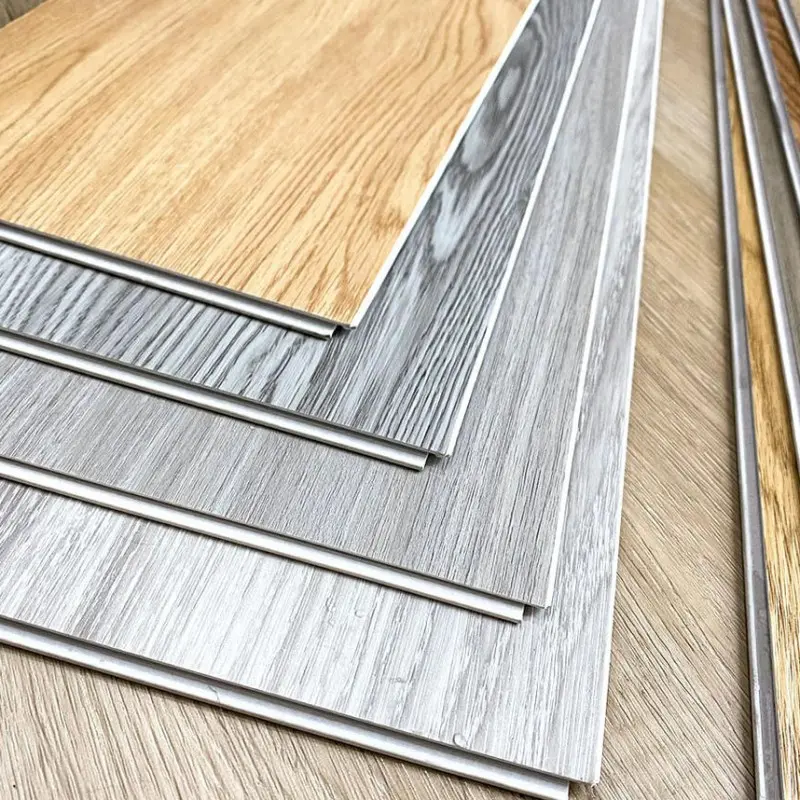
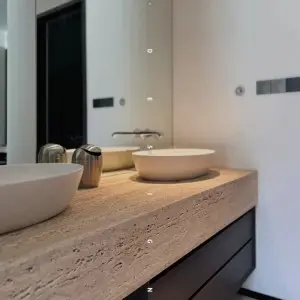
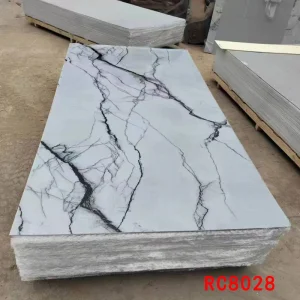
Features 4 high-precision extrusion lines yielding 3 million square meters annually. Rigid stone-plastic core structure offers 100% waterproofing and zero-formaldehyde safety.
Equipped with 40 customized heavy-duty lines with 2 million square meters output. Tailored for extreme thermal conditions and exported to Europe and North America.
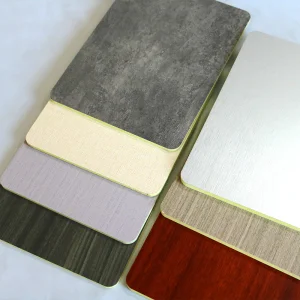
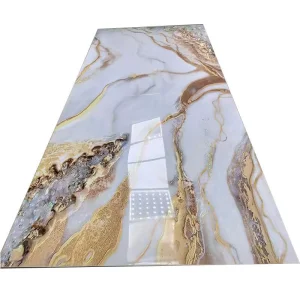
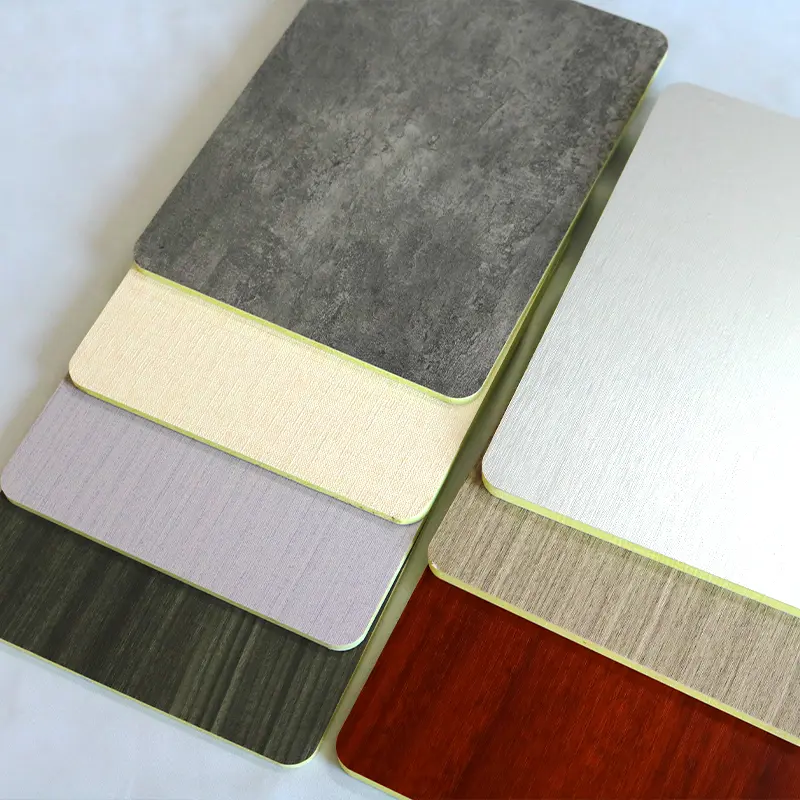
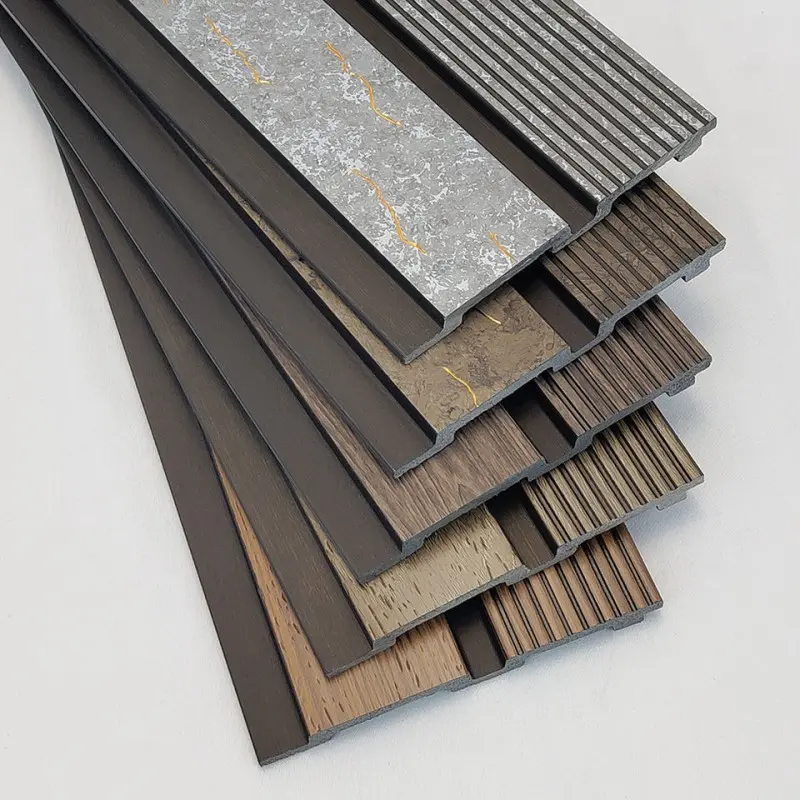
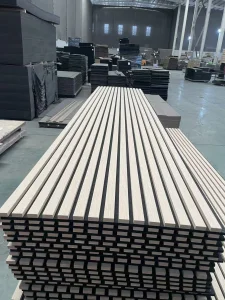
Supported by 12 specialized extrusion lines and dust-free UV curing workshops, producing up to 6 million square meters for high-end interior cladding.
Maintains 6 production lines (1 million m²/year) integrated with automated CNC engraving machines for custom structural grooving and architectural detailing.
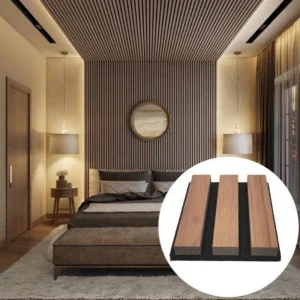
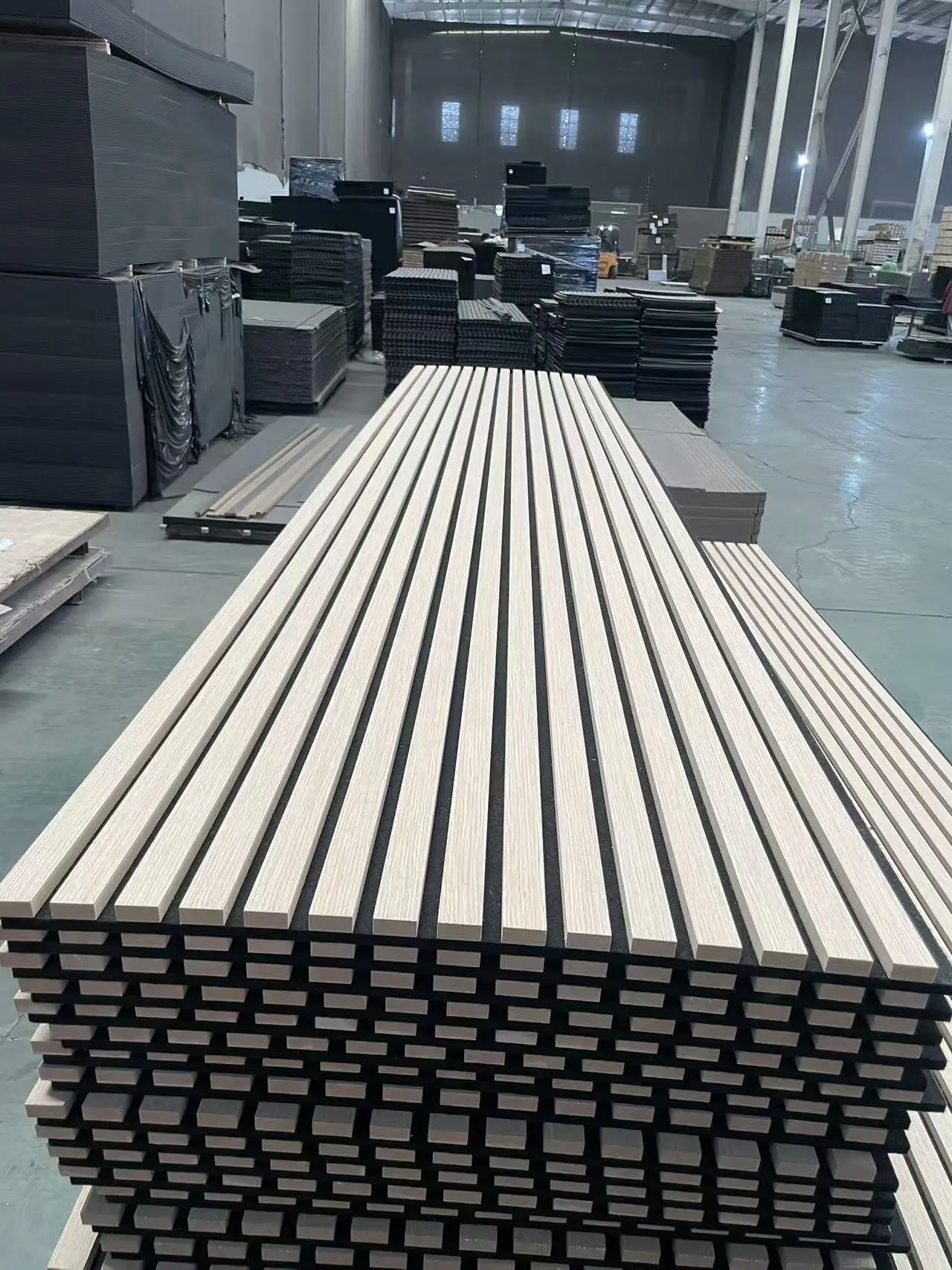
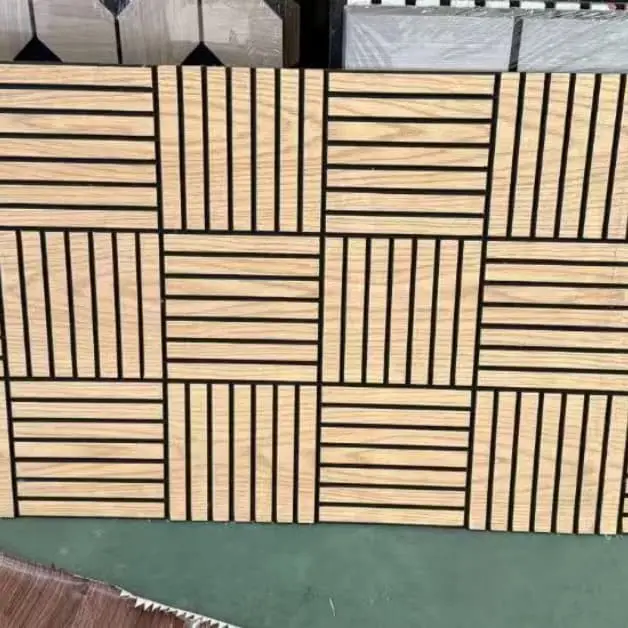
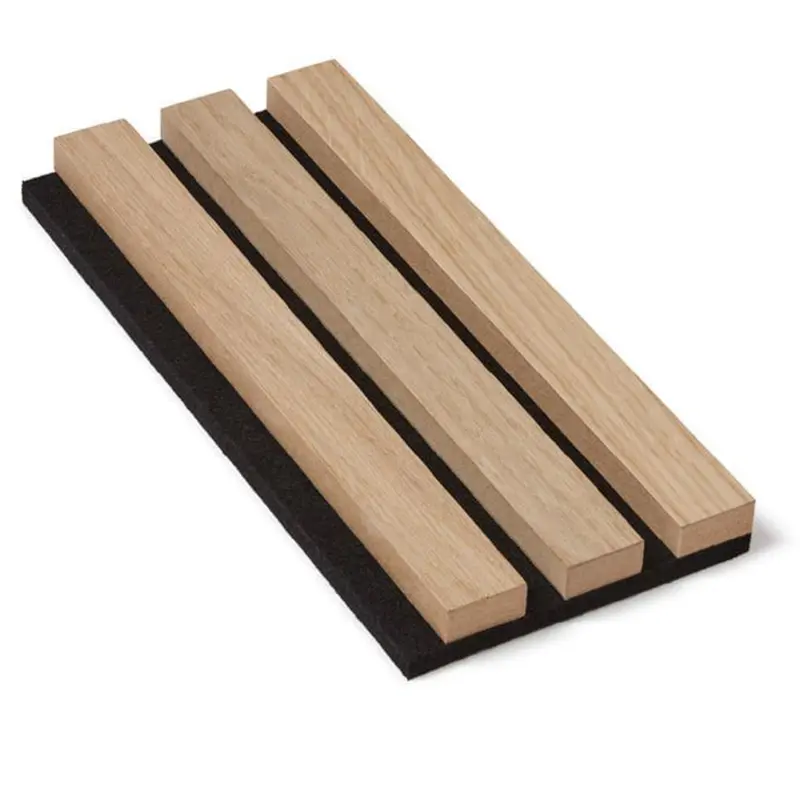
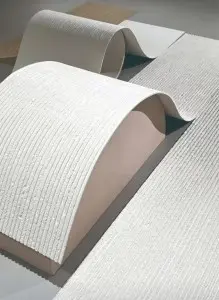
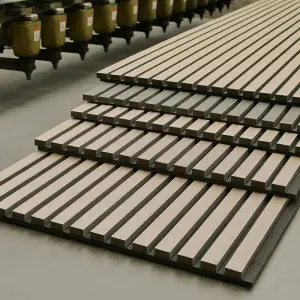
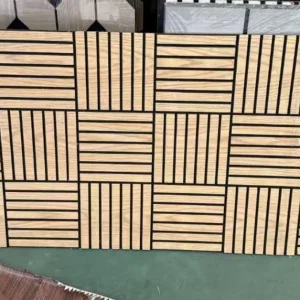
Features complete precision cutting, sound-absorption slotting, and over 200 custom molding tools for refined interior acoustic performance.
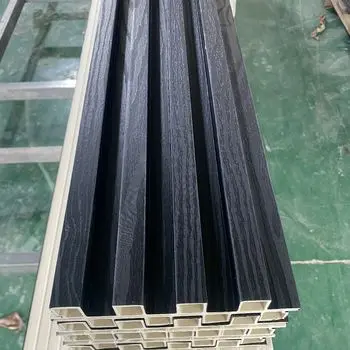
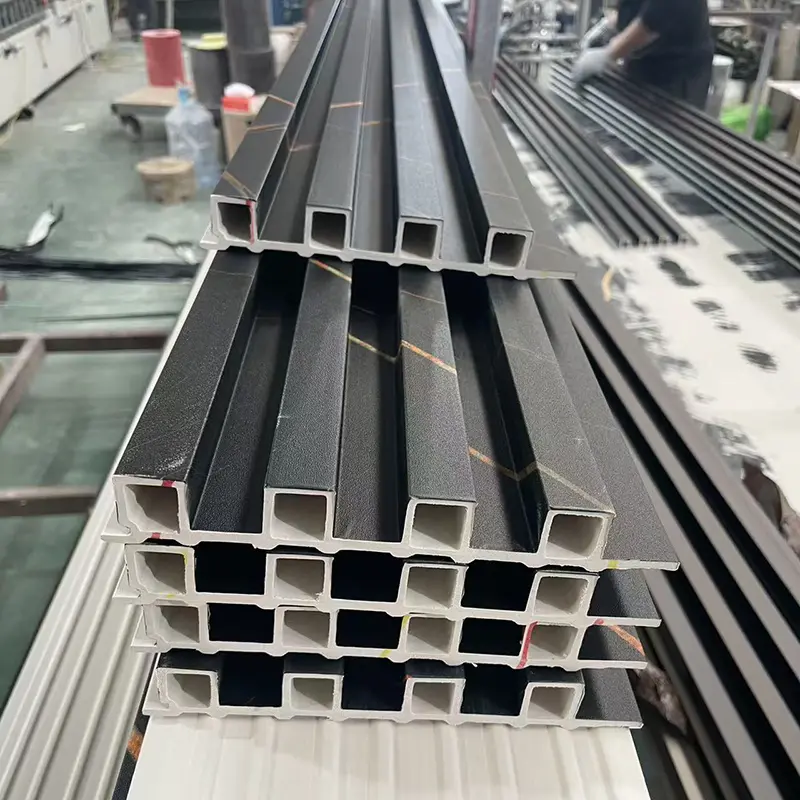
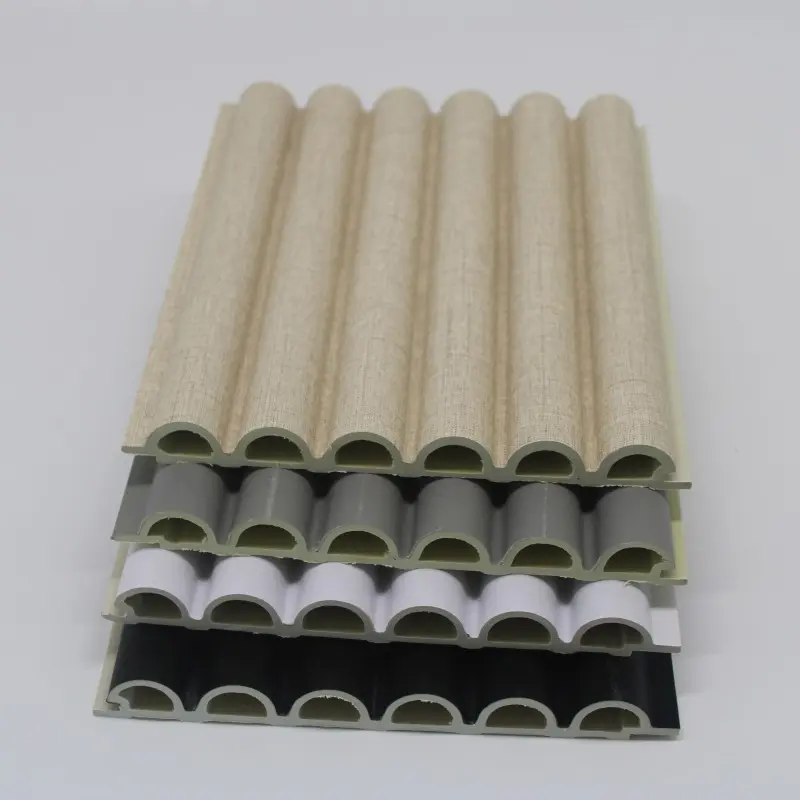
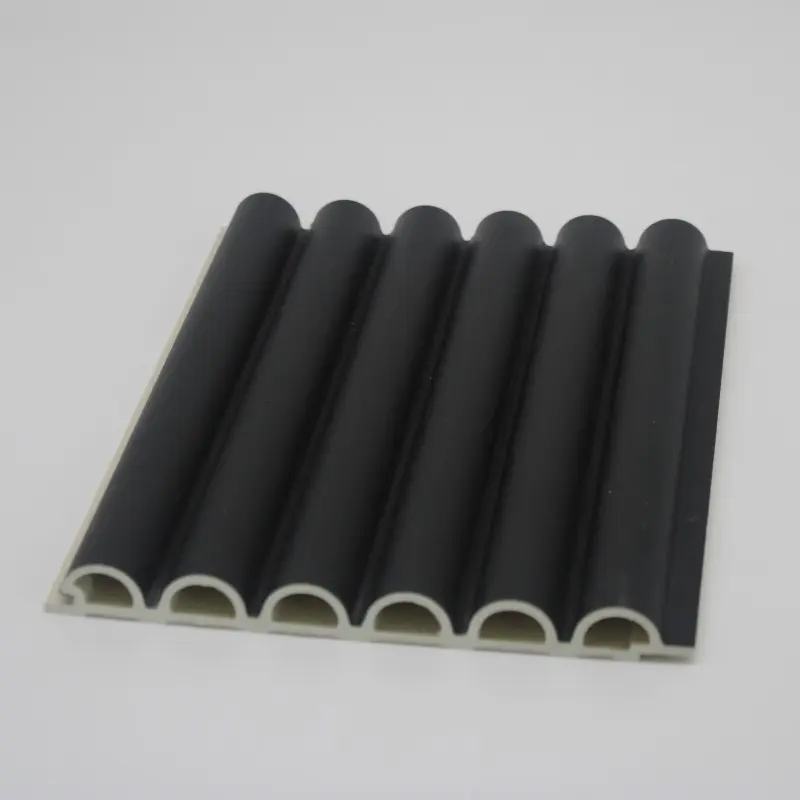
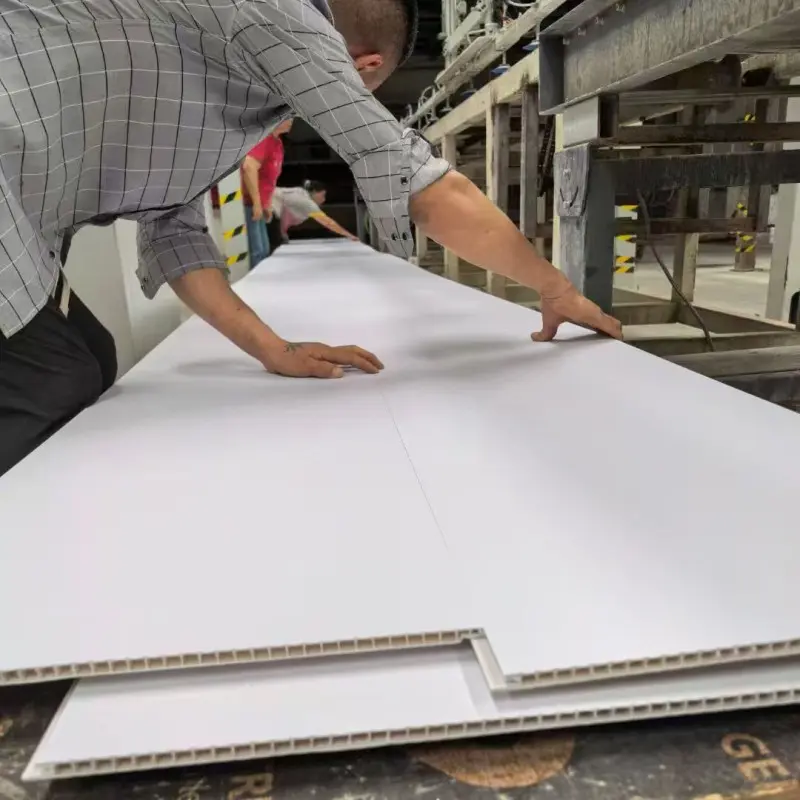
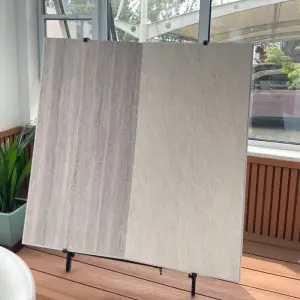
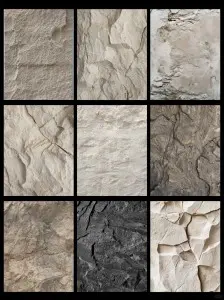
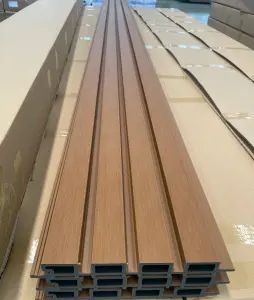
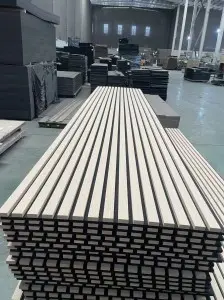
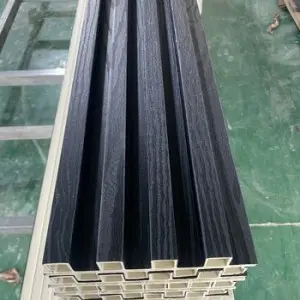
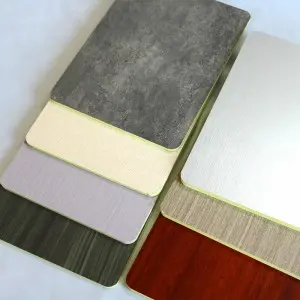
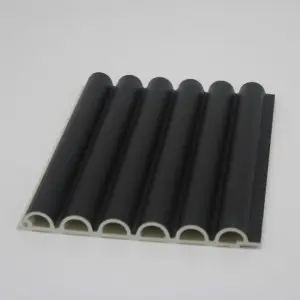
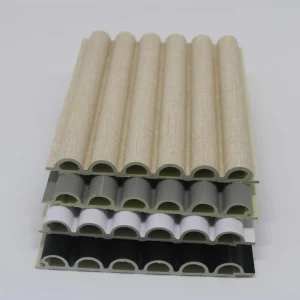
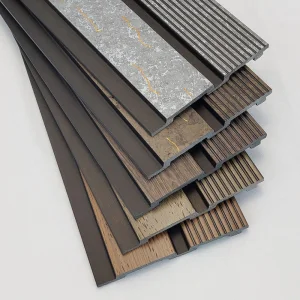
Explore Visuals of Manufacturing Quality, Wall Cladding, Deck Substructures, and Acoustic Innovations
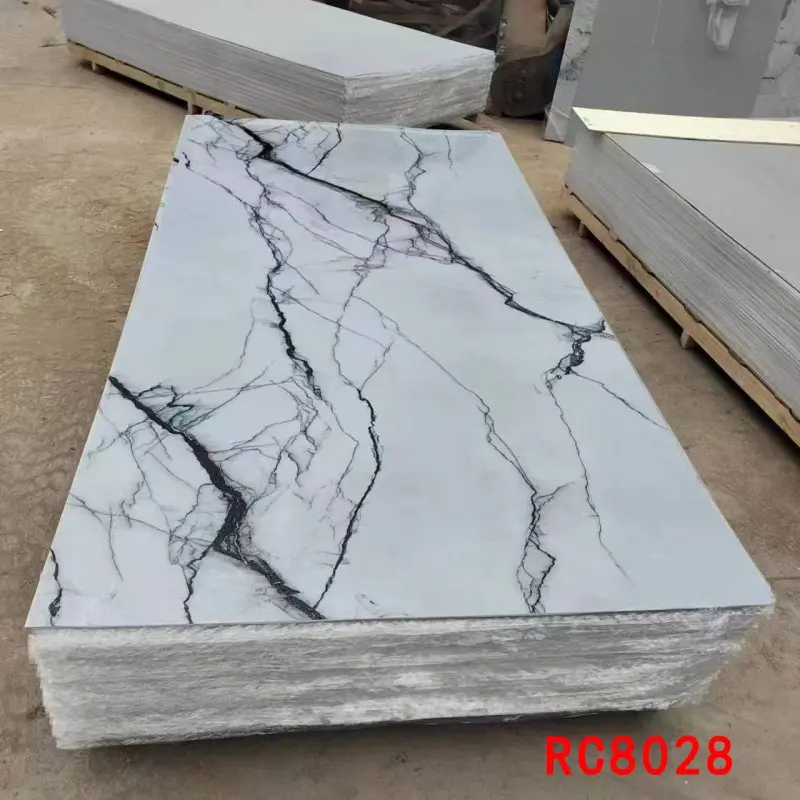
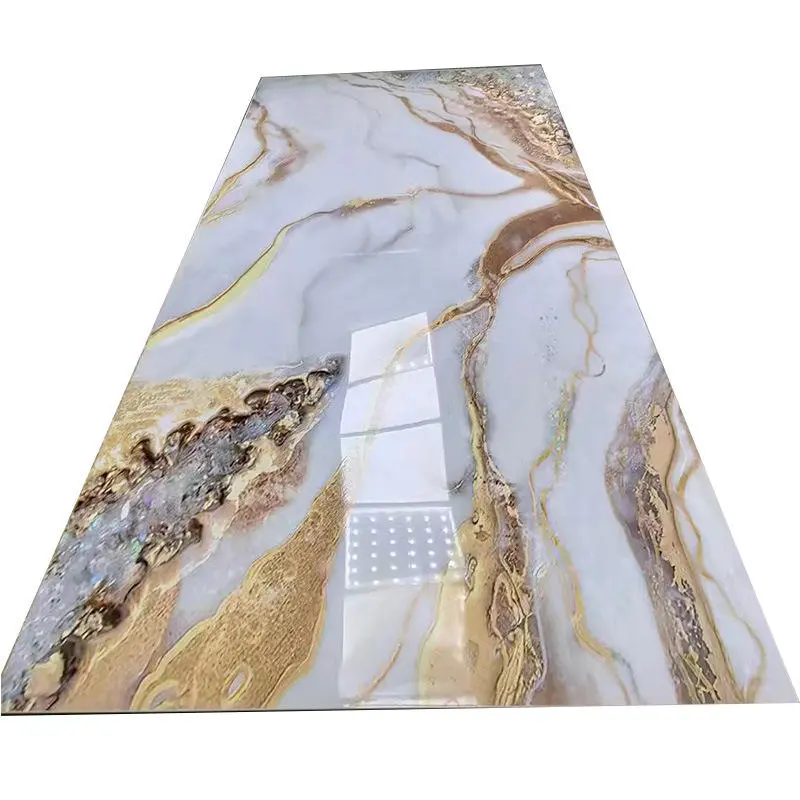
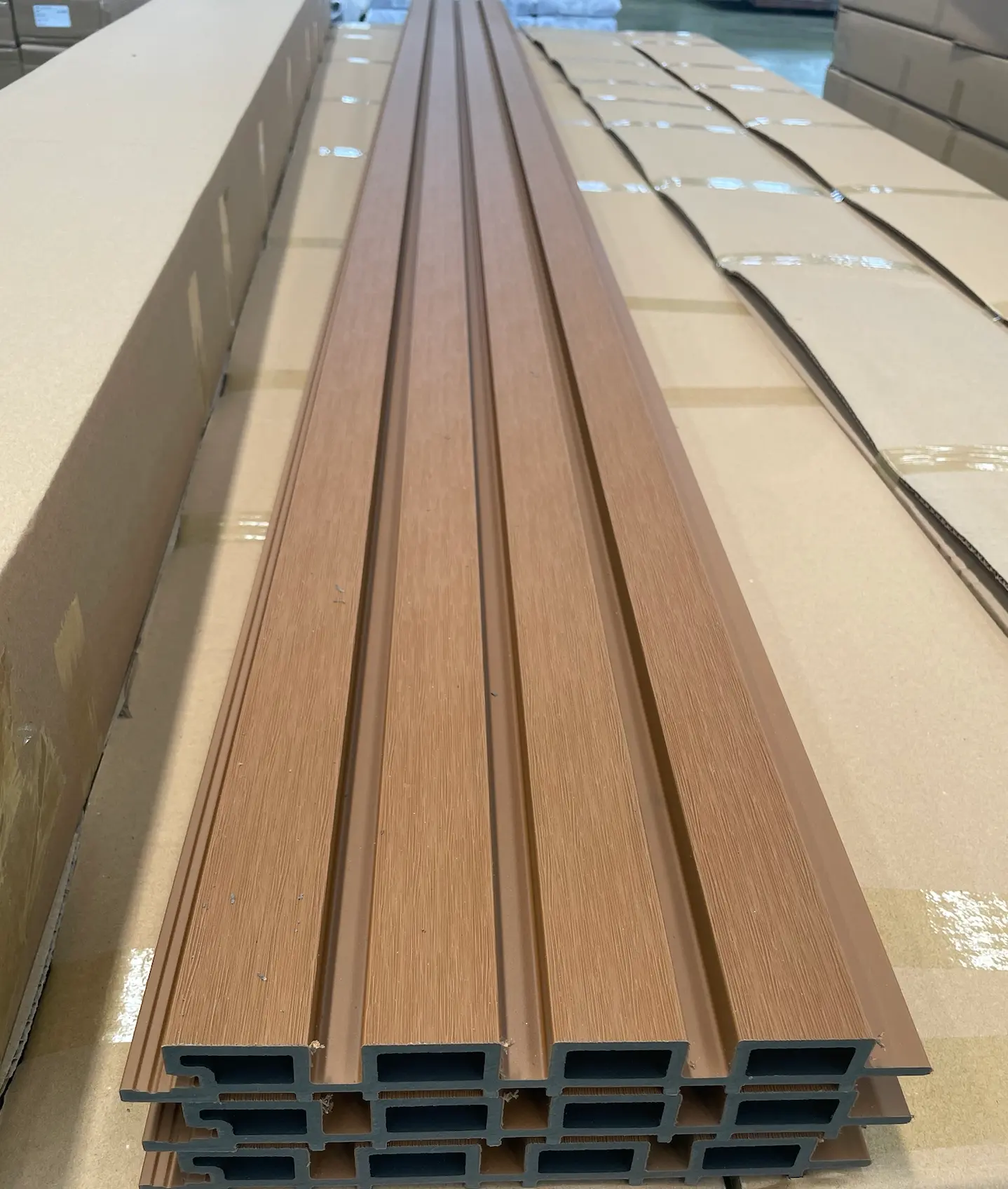
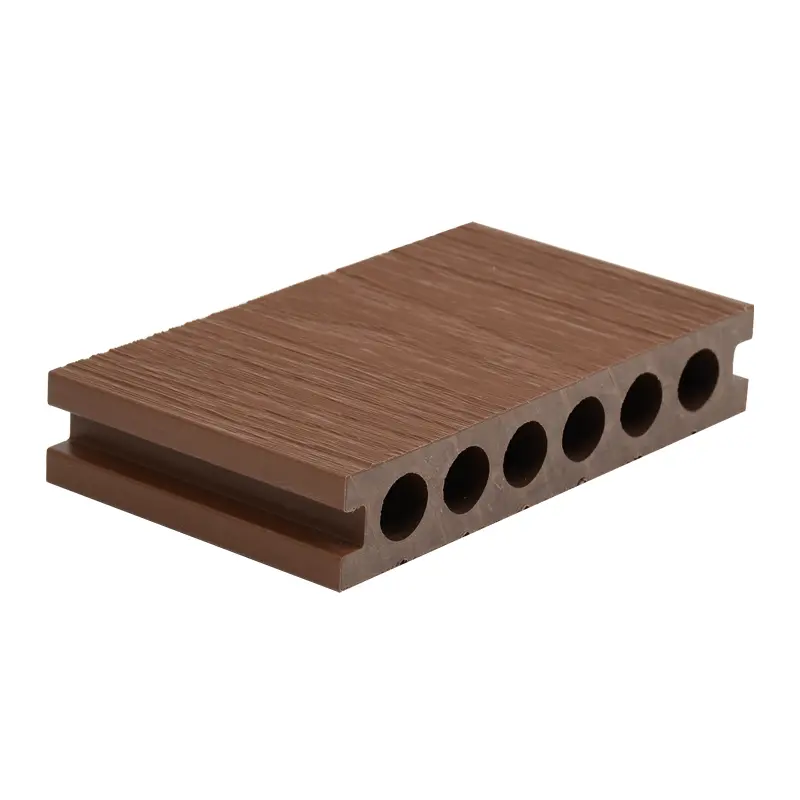
Expert Answers for Architects, Structural Engineers, and Procurement Managers
For residential deck applications with standard composite deck boards, the maximum recommended center-to-center joist spacing is 300mm to 400mm (12 to 16 inches). For heavy-traffic commercial installations or diagonal deck board layouts, we specify a tight 300mm (12 inches) center-to-center span to restrict sub-frame deflection to under L/360 under dynamic live loads up to 500 kg/m².
Unlike treated lumber, which expands across its cross-sectional grain due to moisture absorption, custom WPC joists undergo minor linear thermal expansion along their longitudinal axis driven by ambient temperature swings. Our engineering team incorporates a Coefficient of Linear Thermal Expansion (CLTE) of <40×10⁻⁶/°C. Proper installation requires leaving a 5mm to 8mm expansion gap against fixed structural walls and butt-joints.
Although WPC joists boast near-zero water absorption (<0.6%), structural engineering best practices dictate that joists must never sit continuously in trapped standing water or direct soil contact without drainage. Sub-deck ventilation and an inclined concrete pad (1-2% slope) or adjustable plastic pedestal pedestals are required to allow water drainage and continuous air movement under the sub-frame.
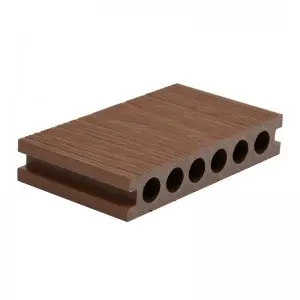
As a direct custom WPC joist manufacturer, we produce custom tooling molds tailored to project requirements. Customization scope includes wall thickness variation (solid structural profiles or hollow reinforced chambers), pre-molded fastener channels, integration of internal aluminum structural sleeves, custom lengths (up to 5.8 meters for container optimization), and specific fire-retardant (Class B1) or anti-UV masterbatch dosing.
We recommend heavy-duty 316 Stainless Steel expansion anchor bolts or concrete masonry screws (Tapcon type). Holes must be pre-drilled into the WPC joist profile to prevent internal stress concentration around fasteners. Direct pneumatic nail gun fastening is strictly prohibited as it destroys the high-density co-extruded polymer shell.
Linyi Rich New Materials Co., Ltd. operates strictly under the ISO9001 Quality Management System. Our WPC joists and composite panels undergo routine third-party laboratory verification via Intertek and SGS to comply with ASTM D7032 (Standard Specification for Establishing Performance Ratings for Wood-Plastic Composite Substructures) and European Standard EN 15534.
Precision-Manufactured Composite Decking, Wall Panels, Acoustic Solutions, and Accessories
 Rich New Materials