Explore our top-tier export products engineered for global architectural, commercial, and residential outdoor boundary solutions.
Linyi Rich New Materials Co., Ltd. stands at the forefront of the global green architectural materials sector as a modernized, research-driven enterprise. By seamlessly integrating high-precision polymer research, automated extrusion manufacturing, and direct international supply chains, the company has established itself as an authoritative leader among China WPC Fence Manufacturers & Suppliers.
Headquartered in the strategic industrial hub of Linyi City, Shandong Province, the company operates an intelligent manufacturing complex covering over 100,000 square meters. Supported by an elite engineering team of over 300 professional technicians, Linyi Rich New Materials Co., Ltd. enforces rigorous ISO9001 quality controls and strict compliance with European (CE, REACH) and North American (ASTM) environmental standard frameworks.
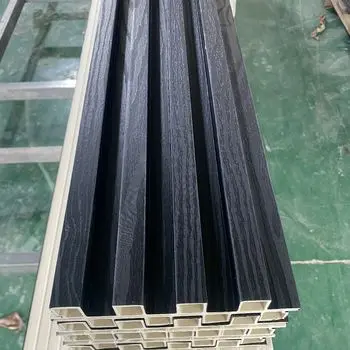
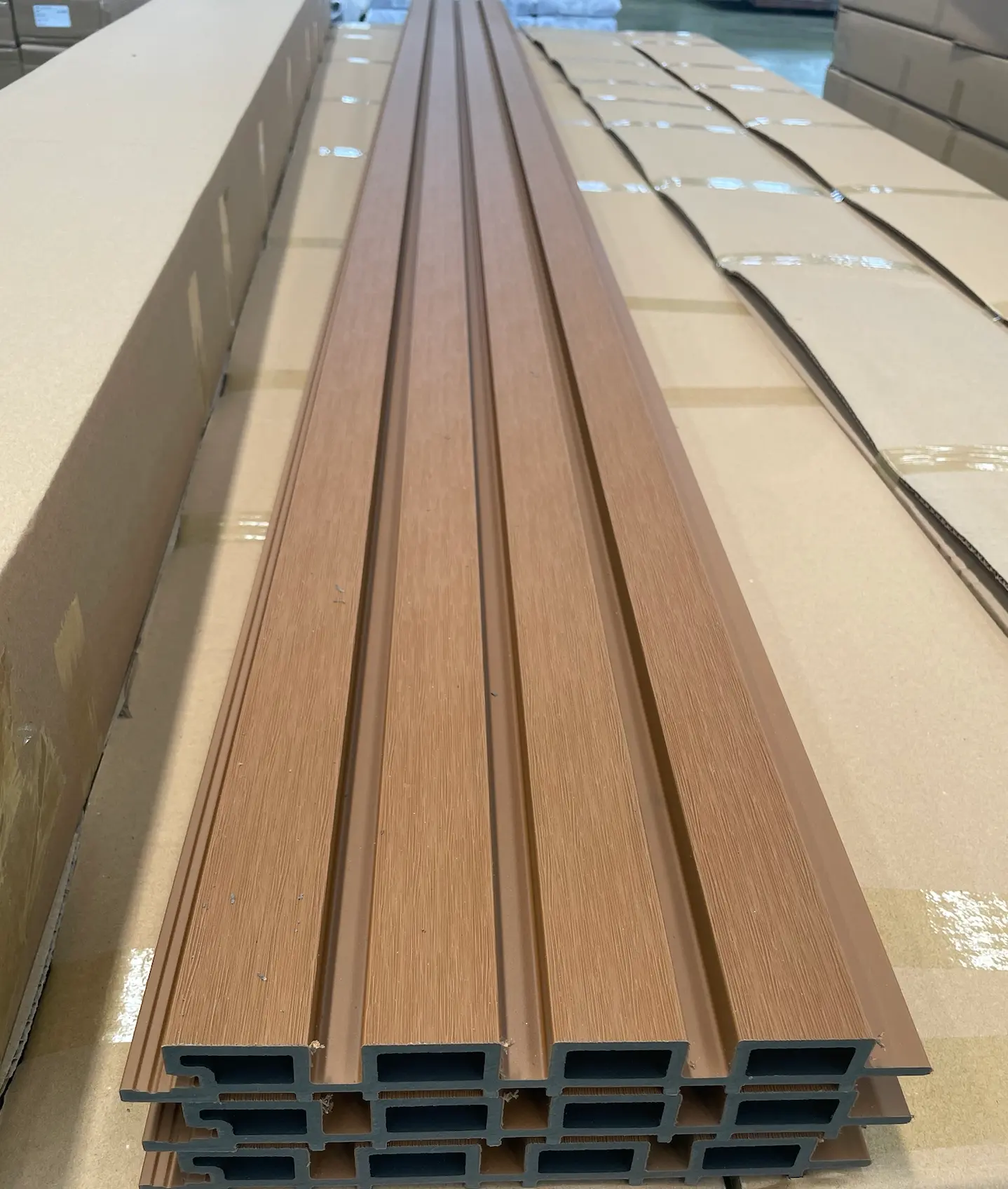
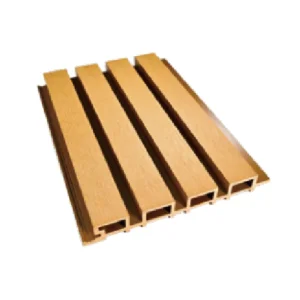
Driven by 120 fully automated lines with an annual yield exceeding 12 million square meters, combining real-wood textures with non-degrading polyolefin matrices.
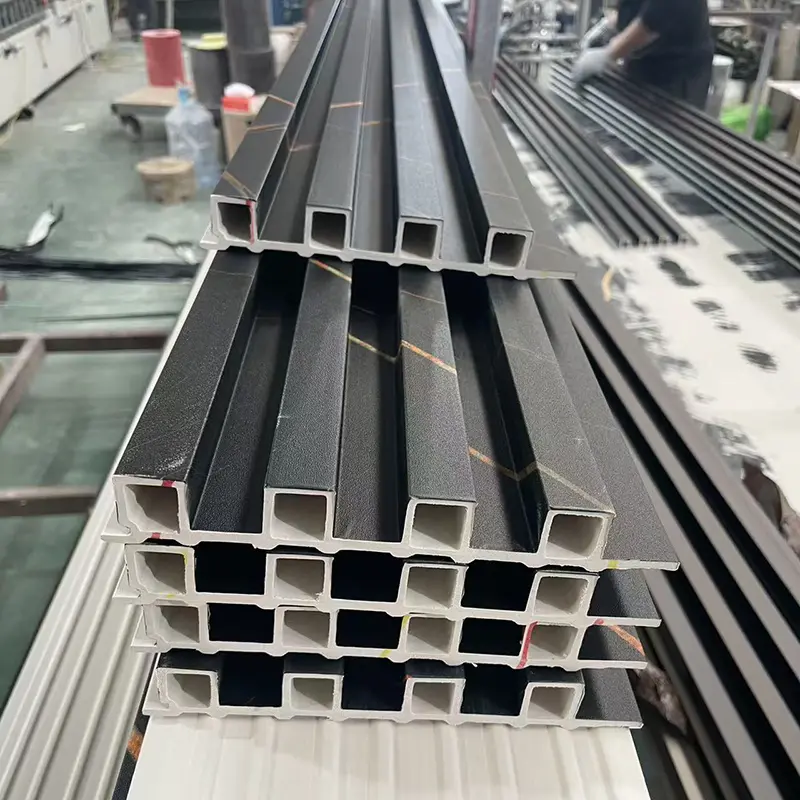
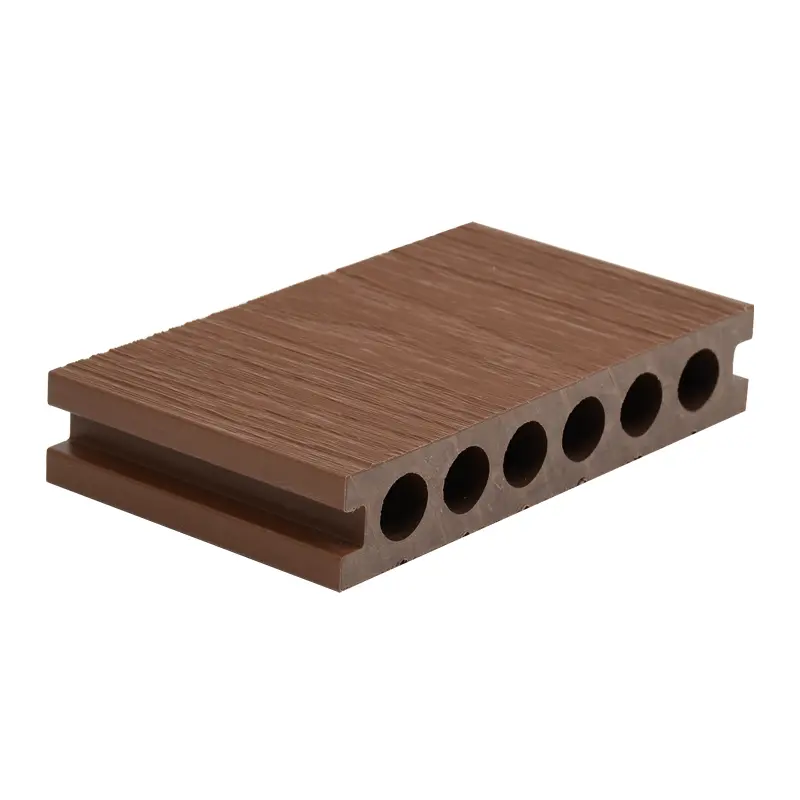
Utilizing 40 customized high-torque extrusion lines delivering 2 million square meters annually, designed specifically for thermal stability and severe weather resistance.
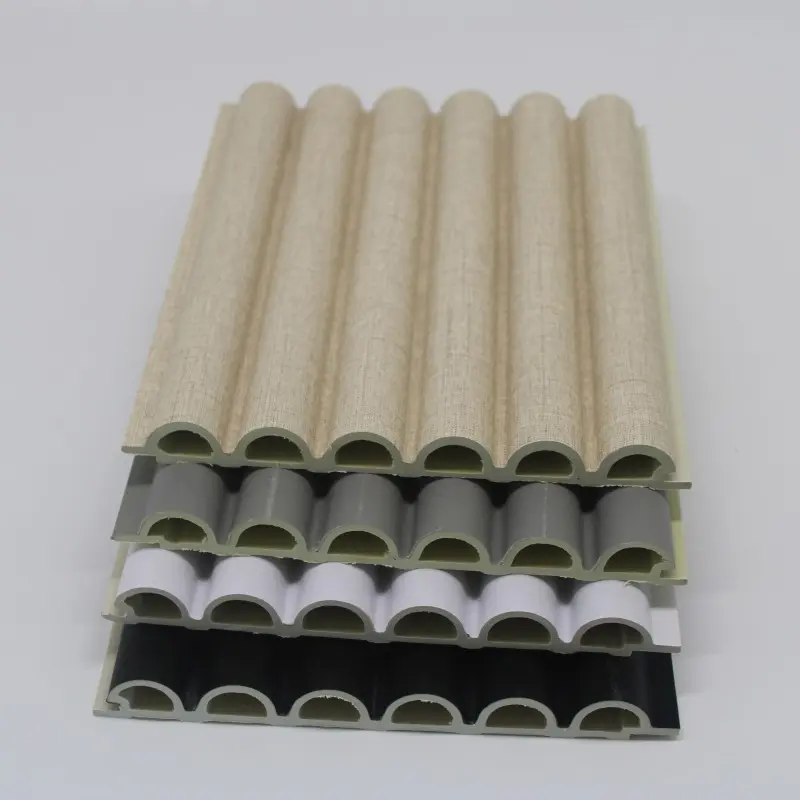
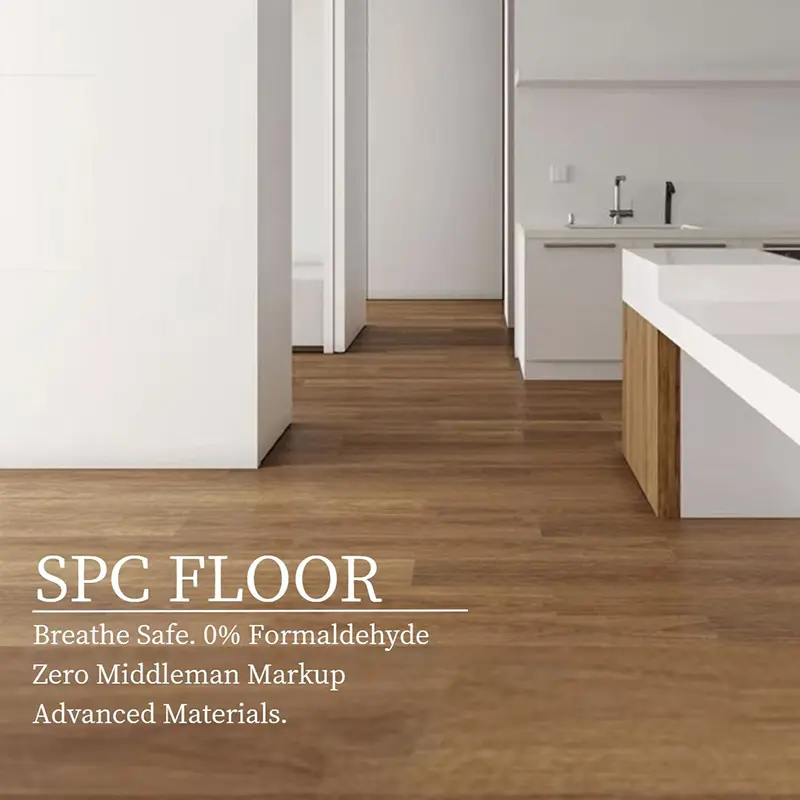
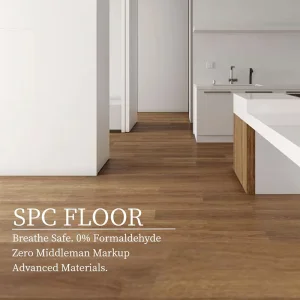
Operating 4 state-of-the-art high-compression lines with an annual output of 3 million square meters, producing 100% waterproof and zero-formaldehyde indoor flooring.
The international fencing and outdoor perimeter market is undergoing a structural transition. Historically dominated by pressure-treated timber, chain-link steel, and virgin PVC profiles, the market is rapidly pivoting toward Wood-Plastic Composite (WPC) fencing solutions. Driven by stringent deforestation regulations, rising labor costs associated with ongoing timber maintenance, and growing circular economy mandates, WPC fencing represents the fastest-growing sub-segment in architectural outdoor materials.
According to global trade metrics, the global WPC market size is projected to surpass USD 12.5 Billion by 2030, registering a compound annual growth rate (CAGR) of over 11.4%. The driver behind this demand lies in the superior life-cycle cost profile of composite materials compared to traditional timber.
| Material Parameter | Co-Extrusion WPC Fencing | Pressure-Treated Softwood | Virgin PVC Vinyl Fencing | Powder-Coated Aluminum |
|---|---|---|---|---|
| Expected Service Life | 25 – 30+ Years | 7 – 12 Years | 15 – 20 Years | 20 – 25 Years |
| Annual Maintenance Cost | Near Zero (Water Wash) | High (Staining/Sealing) | Low (Brittle with UV) | Low (Touch-up paint) |
| Rot & Insect Resistance | 100% Impervious | Vulnerable to Termites/Fungi | 100% Impervious | 100% Impervious |
| UV Degradation Resistance | Grade 4-5 (EN ISO 4892-2) | Severe Fading & Cracking | Chalking & Yellowing | Chipping / Flaking over time |
| Environmental Footprint | 95% Recycled Contents | Deforestation Impact | Petroleum / Non-Recycled | High Embodied Energy |
China's manufacturing ecosystem for composite materials has evolved from low-cost extrusion to high-precision, automated polymer co-extrusion technology. Leading Chinese manufacturers like Linyi Rich New Materials Co., Ltd. leverage vertically integrated supply chains, in-house masterbatch formulation, and advanced twin-screw co-extrusion machinery. This integration allows international B2B buyers, distributors, and project contractors to access custom architectural profiles at 30% to 40% lower total cost of ownership compared to European or North American producers without compromising structural or environmental benchmarks.
The durability of a WPC fence panel relies on polymer chemistry and structural core engineering. Standard first-generation uncapped composite fencing relied on single-pass extrusion of mixed wood flour and polyolefins. While functional, uncapped panels remained susceptible to moisture absorption, surface staining, and UV-induced color fading over extended operational periods.
Linyi Rich New Materials Co., Ltd. utilizes advanced 360-degree co-extrusion technology. In this process, an inner structural core engineered from ultra-dense HDPE and purified wood fiber (approx. 60% wood fiber, 30% recycled HDPE, 10% chemical additives) is simultaneously encapsulated by a modified, highly durable outer shield layer.
Formulated using high-tensile HDPE combined with 80-mesh hardwood fiber. Provides high flexural modulus (> 2,800 MPa), preventing sag or warpage across wide span fence posts under wind load conditions.
Composed of an engineering plastic matrix infused with UV stabilizers (Hindered Amine Light Stabilizers - HALS), anti-oxidants, and hydrophobic barrier agents. Zero water absorption (< 0.5%).
Embedded using high-temperature online embossing. Replicates natural teak, walnut, gray oak, and cedar textures while maintaining scratch resistance exceeding 20N (ISO 1518).
WPC fencing systems manufactured by Linyi Rich New Materials Co., Ltd. are modular outdoor structural systems adaptable to varying wind loads, soil terrains, and aesthetic requirements worldwide.
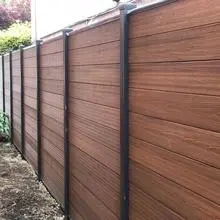
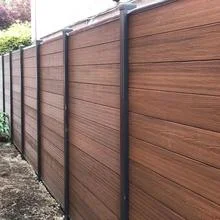
Engineered tongue-and-groove interlocking board systems combined with heavy-duty aluminum posts. Provides complete visual privacy, acoustic dampening, and elegant curb appeal without regular painting or staining.
High-span boundary screening for logistics centers, corporate headquarters, and retail complexes. Resistant to heavy impacts, commercial cleaning chemicals, and urban air pollution.
Standard timber fences decay rapidly under saline mist and high ambient humidity. Co-extruded WPC fence panels resist salt spray corrosion, mildew growth, and moisture absorption in beachfront properties.
Due to core material density, hollow and solid WPC panels exhibit high acoustic reduction factors (STC rating > 28 dB), reducing ambient traffic noise along suburban highway corridors.
As a comprehensive manufacturer, Linyi Rich New Materials Co., Ltd. offers unified sourcing across interior and exterior decorative materials. Importers, wholesalers, and project managers can consolidate container shipments across complementary product lines, lowering procurement overhead and ensuring color consistency across architectural projects.
Matching exterior wall cladding and anti-slip decking boards engineered from weather-resistant composite formulations. Maintains color consistency with fence profiles.
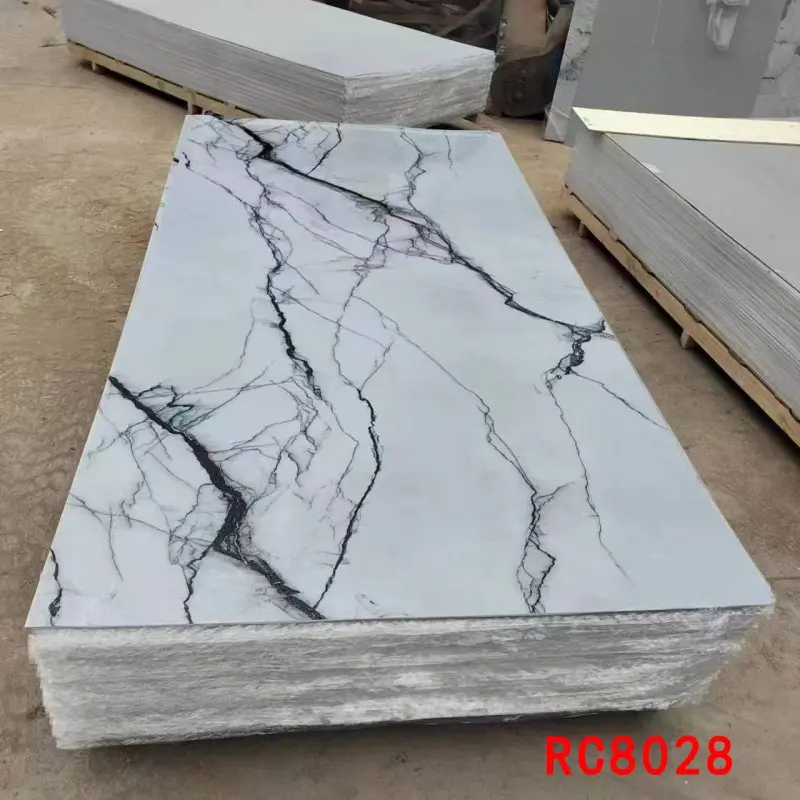
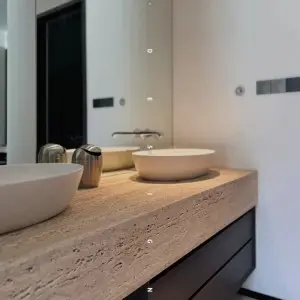
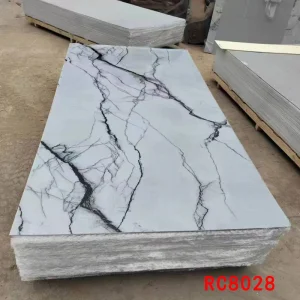
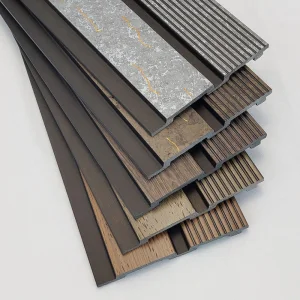
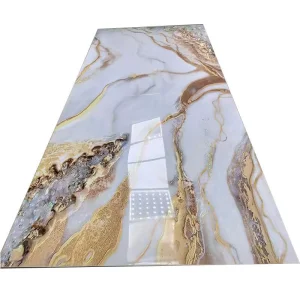
High-gloss, scratch-resistant PVC marble alternative sheets and lightweight polystyrene decorative louvers for interior wall accents.
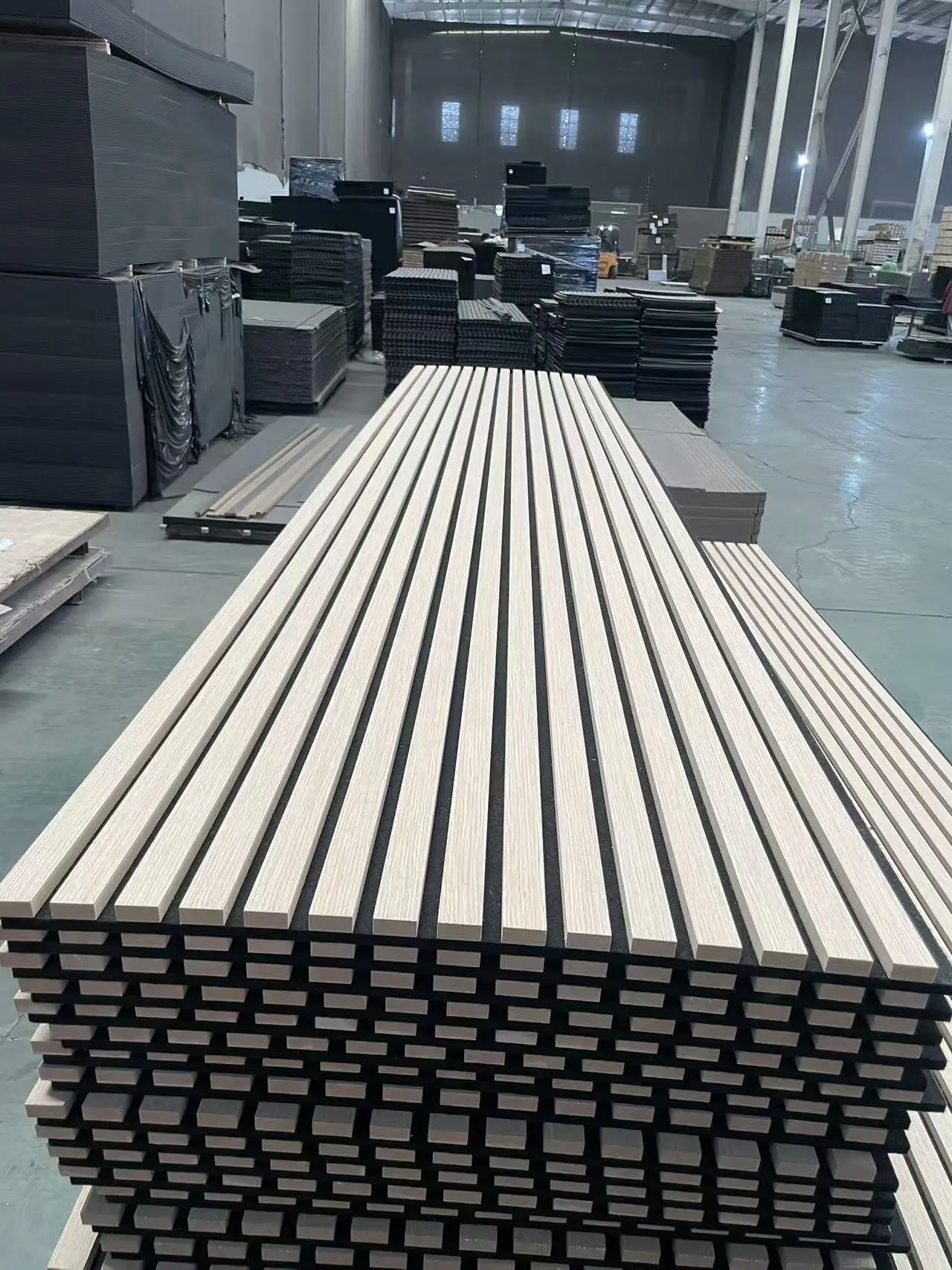
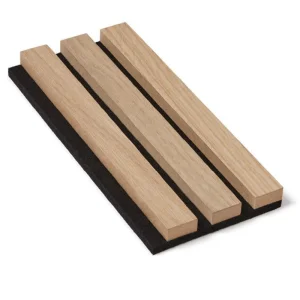
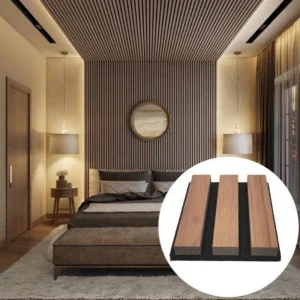
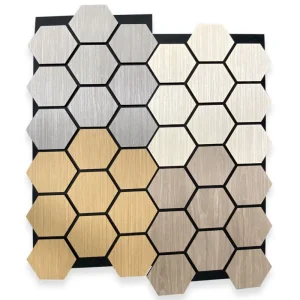
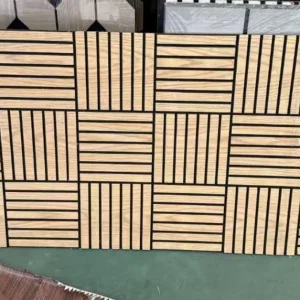
Sound-absorbing slat wood panels integrated with recycled PET felt backing, offering high NRC sound dampening for hotels, offices, and residential spaces.
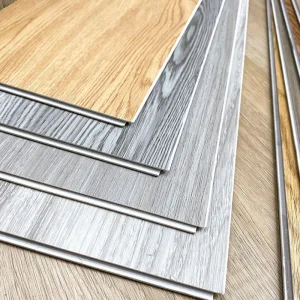
Rigid-core stone plastic composite flooring alongside charcoal wood veneers for eco-friendly, zero-formaldehyde indoor construction.
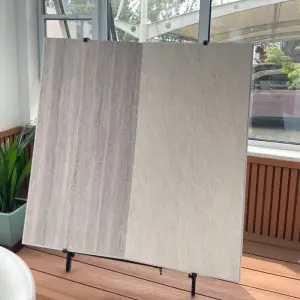
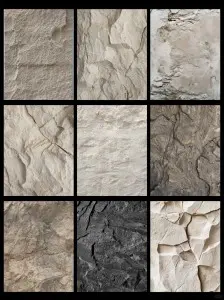
Ultra-lightweight ceramic soft stone veneers and ultra-realistic polyurethane stone panels for quick facade installation without heavy structural loading.
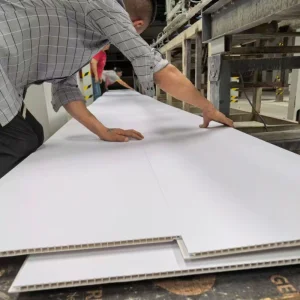
Waterproof 8mm hollow-core ceiling panels and custom-grooved carbon fiber composite panels for advanced commercial interior fit-outs.
Selecting the right factory among China WPC fence manufacturers requires evaluating technical parameters beyond price per meter. Low-grade suppliers often cut costs by utilizing unpurified post-consumer plastics, un-dried wood flour, or inadequate UV stabilization, leading to field failures within 24 months.
Ensure the factory uses Grade-A virgin or industrial recycled HDPE with consistent Melt Flow Index (MFI). Recycled wood fiber must be kiln-dried below 2% moisture content prior to compounding.
Verify compliance with ASTM D7032 (Standard Specification for Establishing Performance Ratings for Wood-Plastic Composite Boards) and EN 15534 for flexural strength, creep recovery, and fastener retention.
Insist on Xenon Arc Weathering test reports (ISO 4892-2) exceeding 3,000 hours. The Delta E (color variation index) must remain under 3.0 to guarantee long-term color stability.
As environmental regulations become stricter and smart city infrastructure advances, the WPC industry is moving toward higher functional integration. Linyi Rich New Materials Co., Ltd. is investing heavily in next-generation material developments:
Transitioning from petroleum-derived PE matrixes to bio-based PLA and agricultural waste lignin binders, reducing total embodied carbon footprint by over 60% by 2028.
Integrating thin-film solar micro-cells directly into horizontal composite fence top rails, enabling boundary walls to generate off-grid electricity for perimeter LED lighting and security systems.
Implementing micro-encapsulated thermal healing agents within the co-extruded shield layer, allowing light surface scratches to self-repair under solar heat exposure.
Expert answers to standard procurement, engineering, and installation queries regarding China WPC Fence supply chains.
Discover more specialized wall panels, acoustic boards, ceilings, and resilient SPC flooring options.
 Rich New Materials