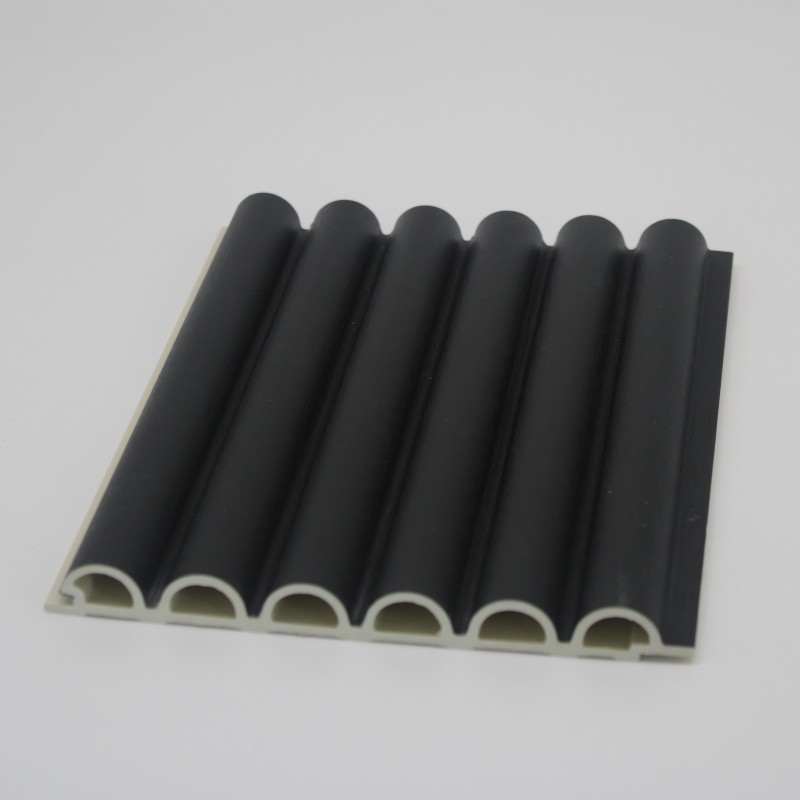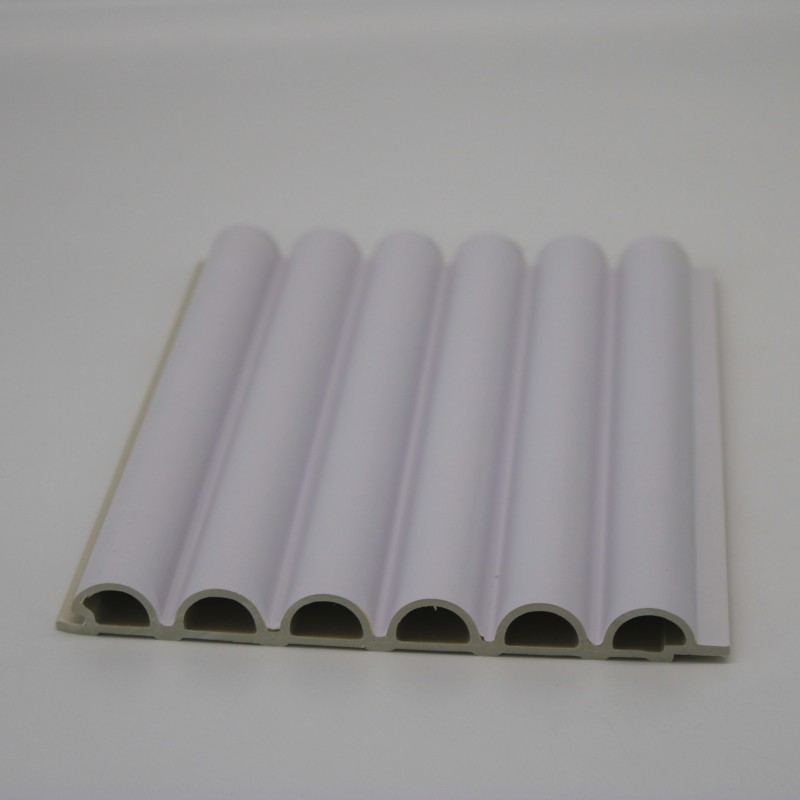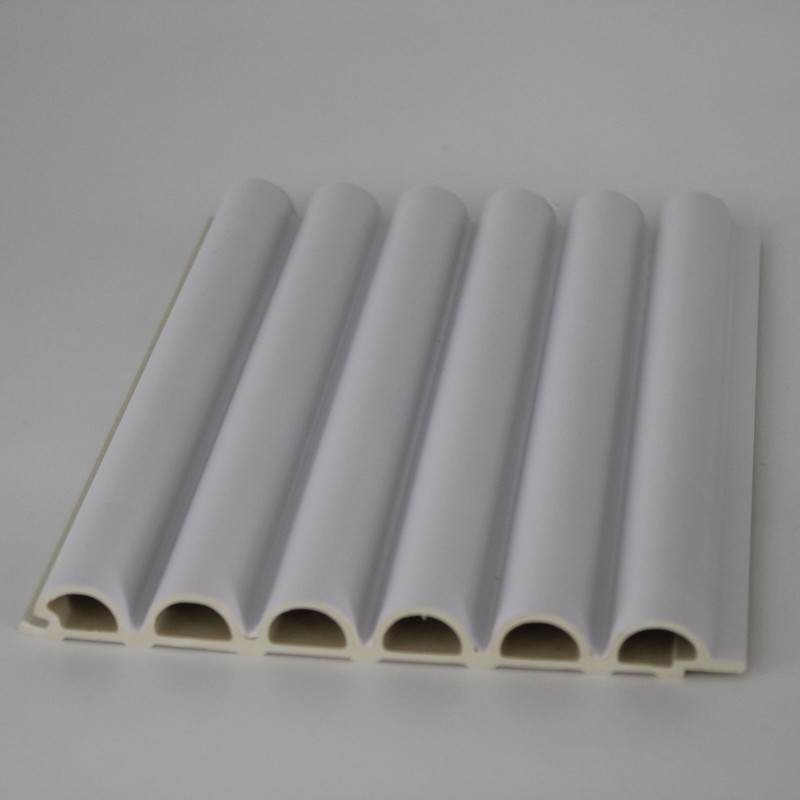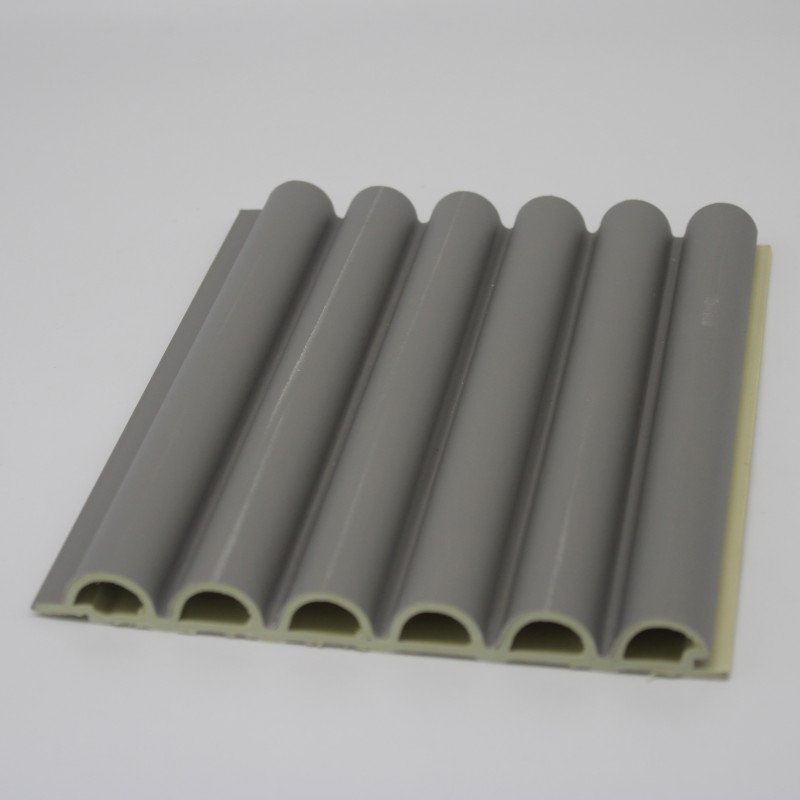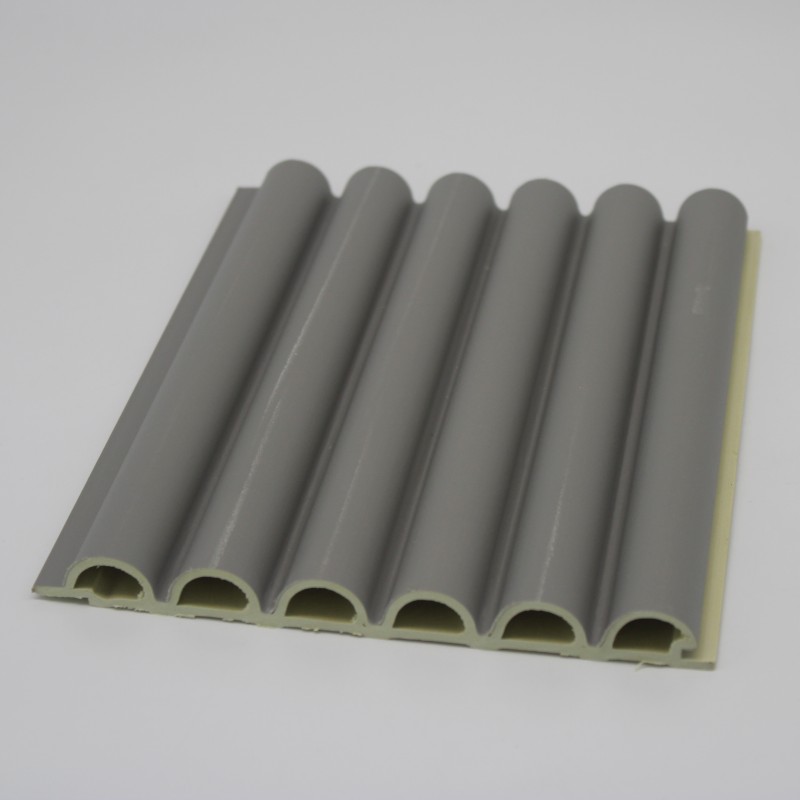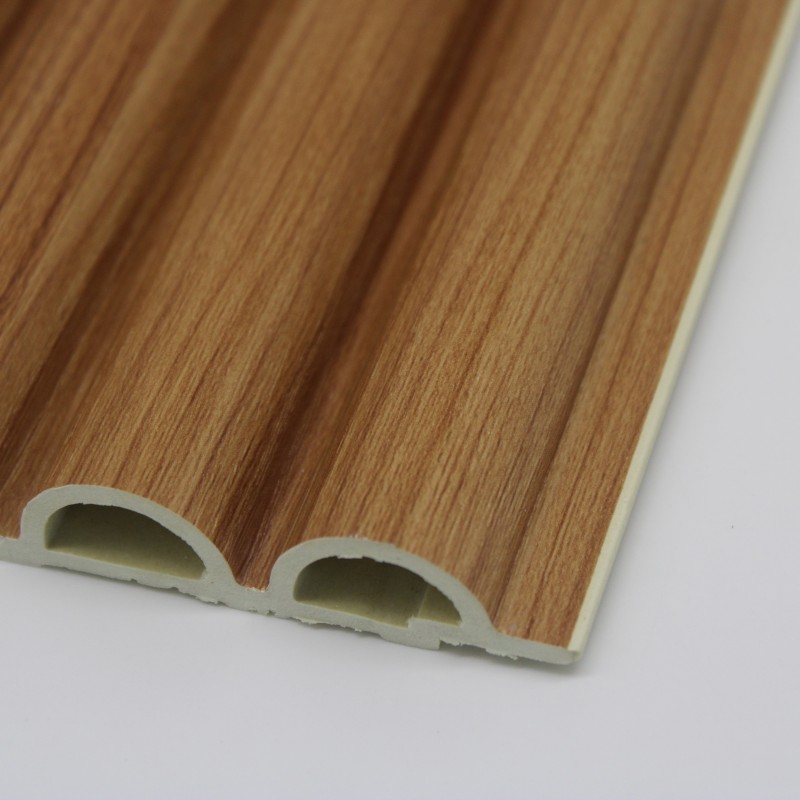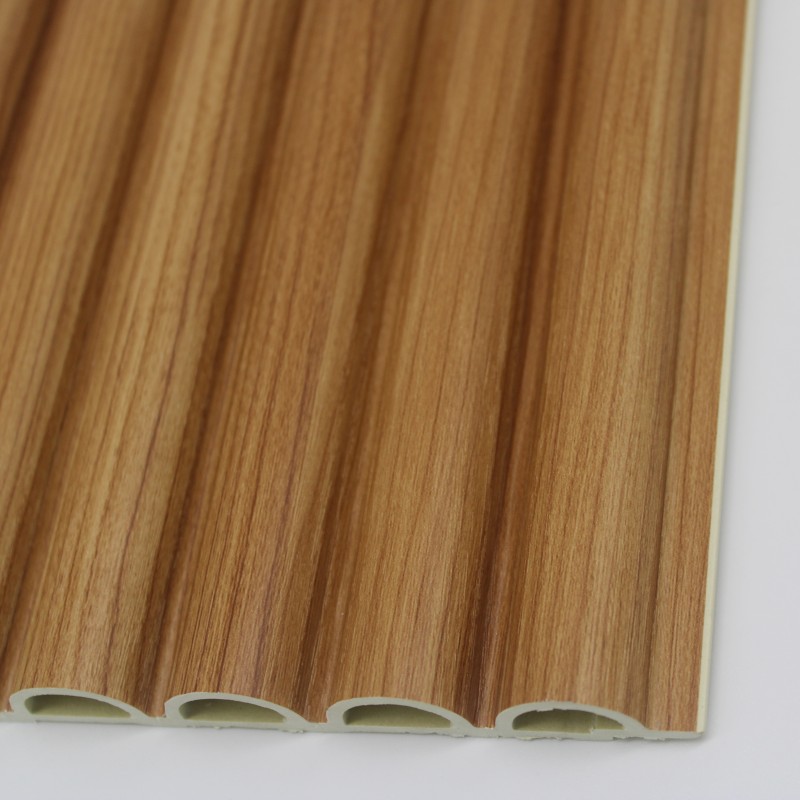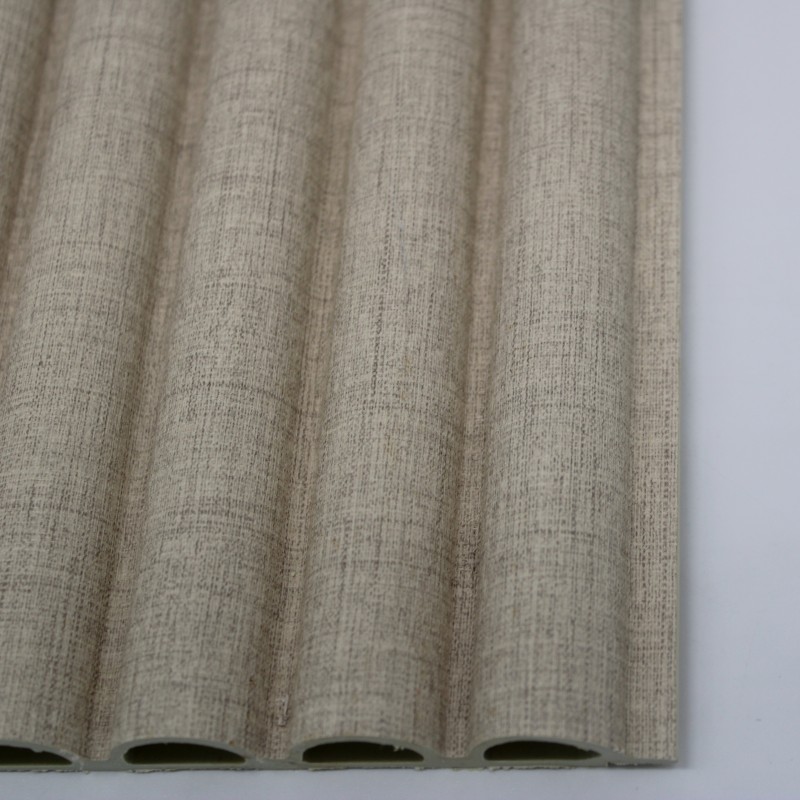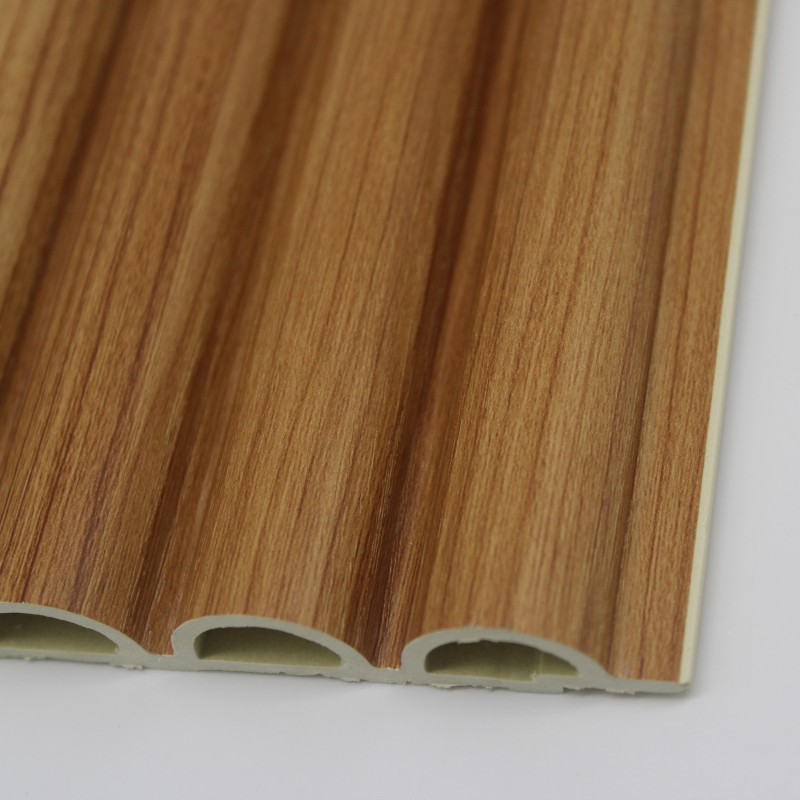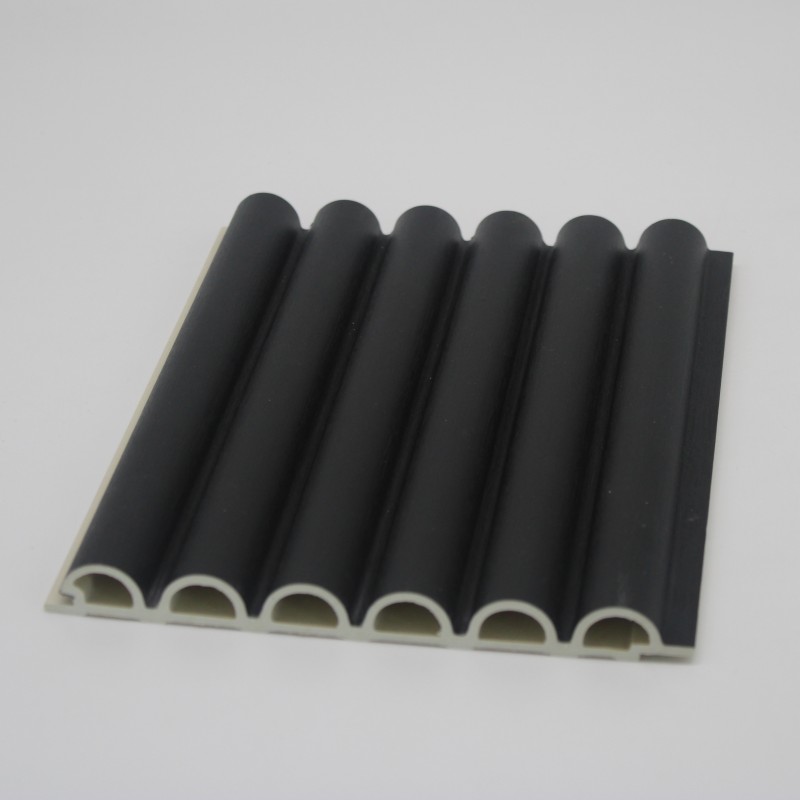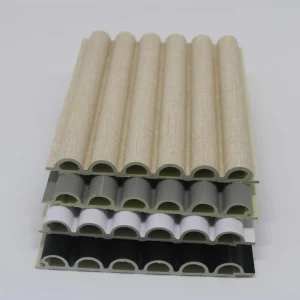
China Moisture-Resistant Indoor WPC Wall Panel Manufacturers, Suppliers

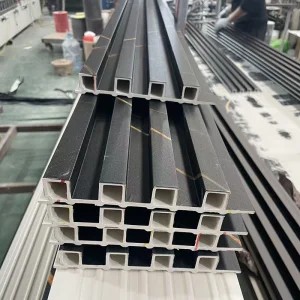
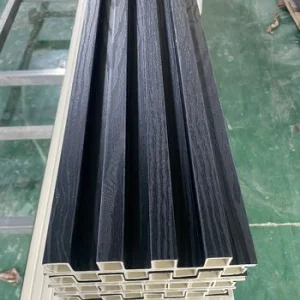
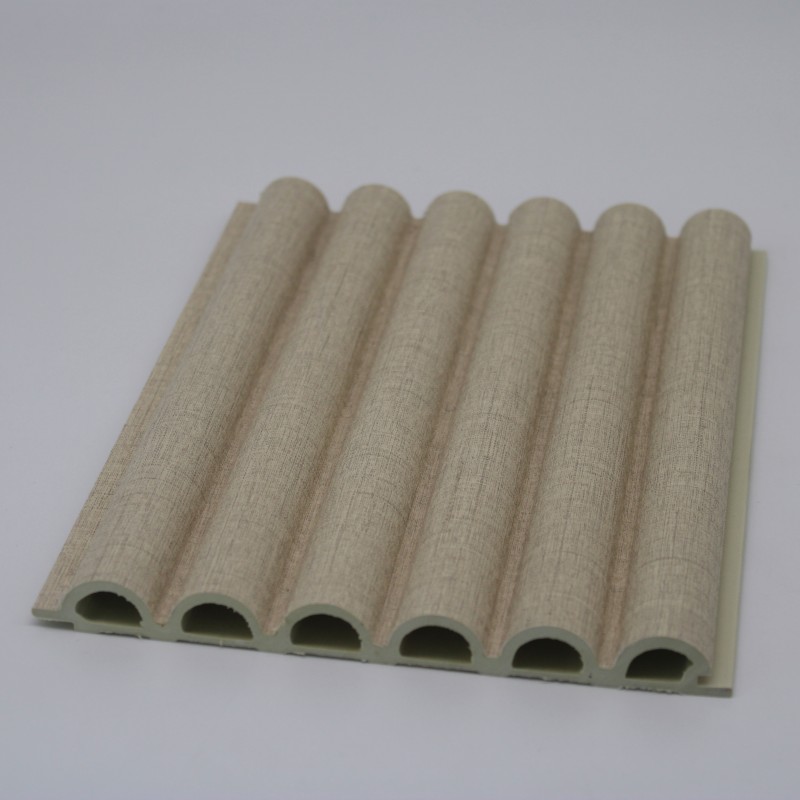
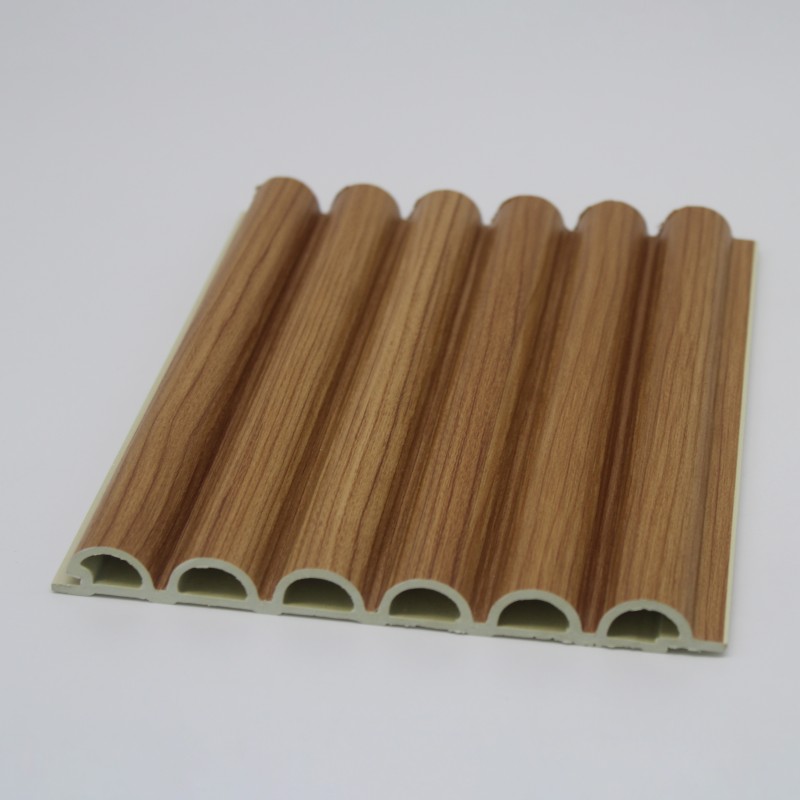
Indoor WPC panel refers to wood-plastic composite material. It is a new type of composite material that uses polyethylene, polypropylene, and polyvinyl chloride, instead of traditional resin adhesives, to mix with more than 50% wood flour, rice husks, straw, and other waste plant fibers to create a new wood-based material. This material is then processed through plastic processing techniques such as extrusion, molding, and injection molding to produce boards or profiles. It is mainly used in the building materials, furniture, and logistics packaging industries. Extruded wood-plastic composite panels are made by mixing plastic and wood powder in a certain proportion and then hot-extruding the mixture.

Product Description

Key Features & Performance Advantages

(1) Excellent Processing Performance

Wood-plastic composites contain both plastic and fiber, thus possessing processing performance similar to wood. They can be sawed, nailed, and planed using woodworking tools, and their nail-holding power is significantly superior to other synthetic materials. Their mechanical properties are superior to wood. The nail-holding power is generally three times that of wood and five times that of particleboard.

(2) Excellent Strength Performance

Wood-plastic composites contain plastic, thus possessing a good modulus of elasticity. Furthermore, due to the presence of fiber and thorough mixing with the plastic, they exhibit physical and mechanical properties comparable to hardwood, such as compressive and bending resistance, and their durability is significantly superior to ordinary wood. Their surface hardness is high, generally 2-5 times that of wood.

(3) Water & Corrosion Resistance

Compared to wood, wood-plastic materials and their products are resistant to strong acids and alkalis, water, and corrosion. They do not breed bacteria, are not easily infested by insects, and do not grow fungi. Their service life is long, reaching over 50 years.

(4) Excellent Adjustability

Through additives, plastics can undergo polymerization, foaming, curing, and modification, thereby altering the density, strength, and other properties of wood-plastic composites. They can also meet special requirements such as anti-aging, antistatic, and flame retardancy.

(5) UV Stability & Colorability

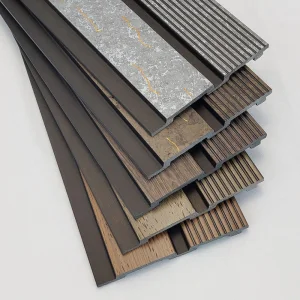
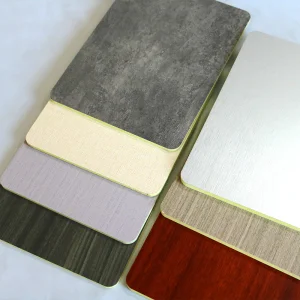
Features excellent UV stability and superior colorability for long-lasting aesthetics and customization options.

(6) 100% Recyclable & Eco-Friendly

Its greatest advantage is turning waste into treasure and its 100% recyclability. It is decomposable and does not cause "white pollution," making it a truly green and environmentally friendly product.

(7) Wide Raw Material Sources

The main plastic raw materials for producing wood-plastic composites are high-density polyethylene or polypropylene. The wood fiber can be wood flour, rice husks, or wood fiber. A small amount of additives and other processing aids are also required.

(8) Flexible Shaping & Sizing

It can be made into any shape and size as needed to satisfy diverse structural and design demands.
Product Gallery

Frequently Asked Questions (FAQ)

How easily can wood-plastic composites be processed with standard tools?
They process similarly to wood and can be sawed, nailed, and planed using standard woodworking tools. Their nail-holding power is 3 times superior to natural wood and 5 times that of particleboard.
What is the expected service life and durability of wood-plastic composites?
Wood-plastic composites have a long service life reaching over 50 years. They are resistant to water, strong acids, alkalis, corrosion, insects, bacteria, and fungi.
How strong are wood-plastic composites compared to natural hardwood?
They offer physical and mechanical properties comparable to hardwood, including excellent compressive and bending resistance, with a surface hardness 2 to 5 times higher than ordinary wood.
Are wood-plastic composite products environmentally friendly?
Yes, wood-plastic composite is a truly green product. It turns waste into treasure, is 100% recyclable, decomposable, and avoids "white pollution."
What raw materials are used in the production of wood-plastic composites?
They are primarily made from high-density polyethylene (HDPE) or polypropylene (PP) combined with natural fibers such as wood flour, rice husks, or wood fiber, along with essential processing additives.
Can wood-plastic composites be customized for specific performance needs?
Yes, through specialized additives, their density and strength can be modified, and they can meet specific requirements such as anti-aging, antistatic properties, flame retardancy, and custom colorability.

Related Products