High-performance eco-friendly architectural materials manufactured directly by automated facility lines in Shandong, China.
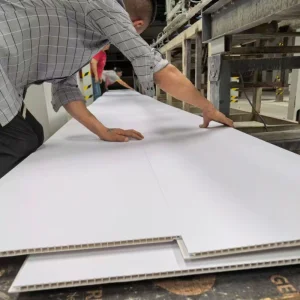
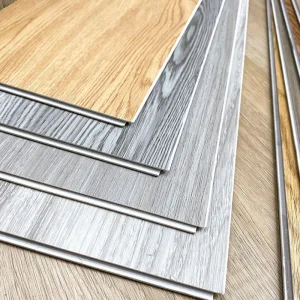
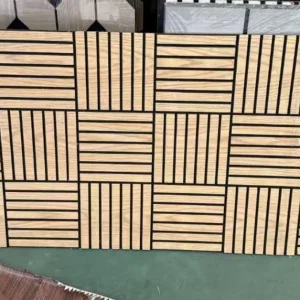
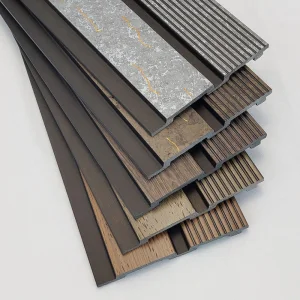
A modernized industrial and trading leader integrating R&D, automated extrusions, and international supply chain solutions.
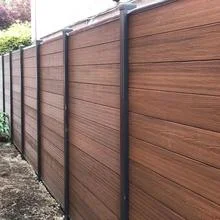
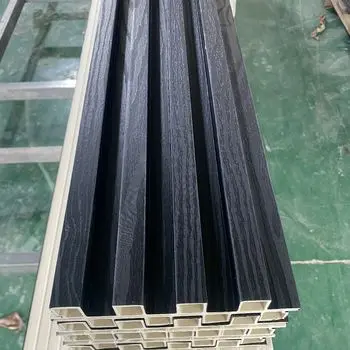
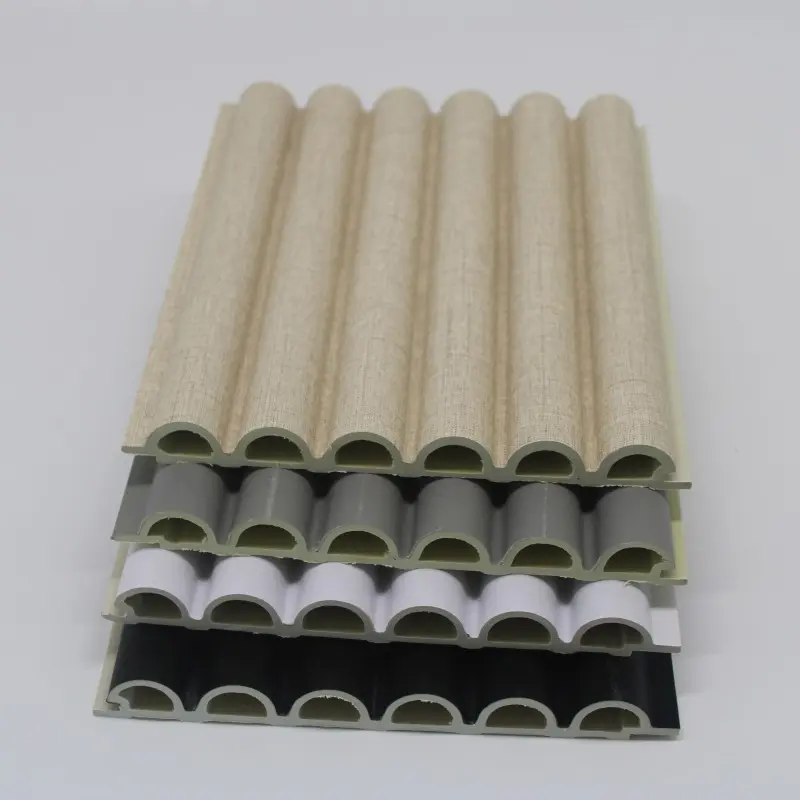
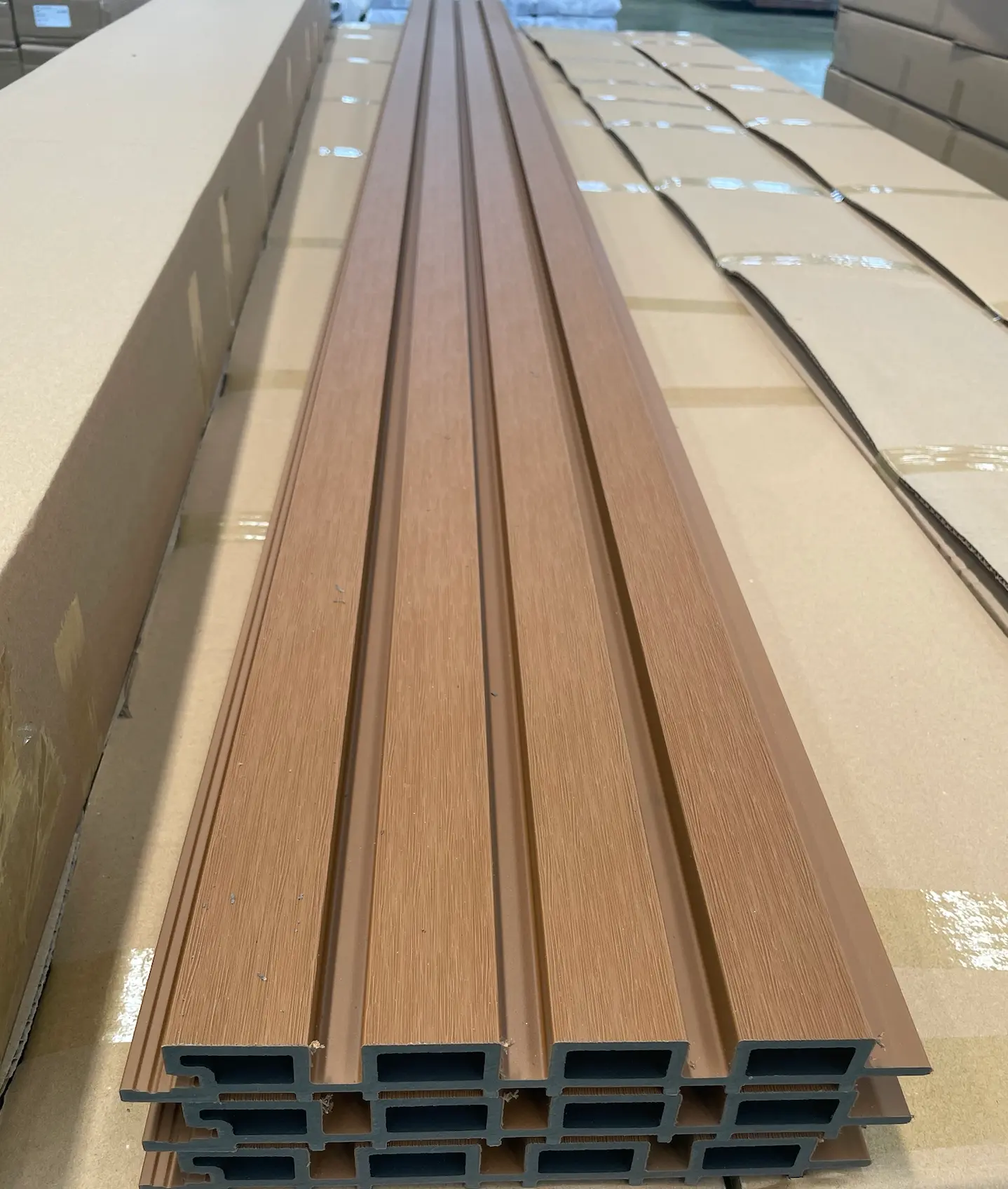
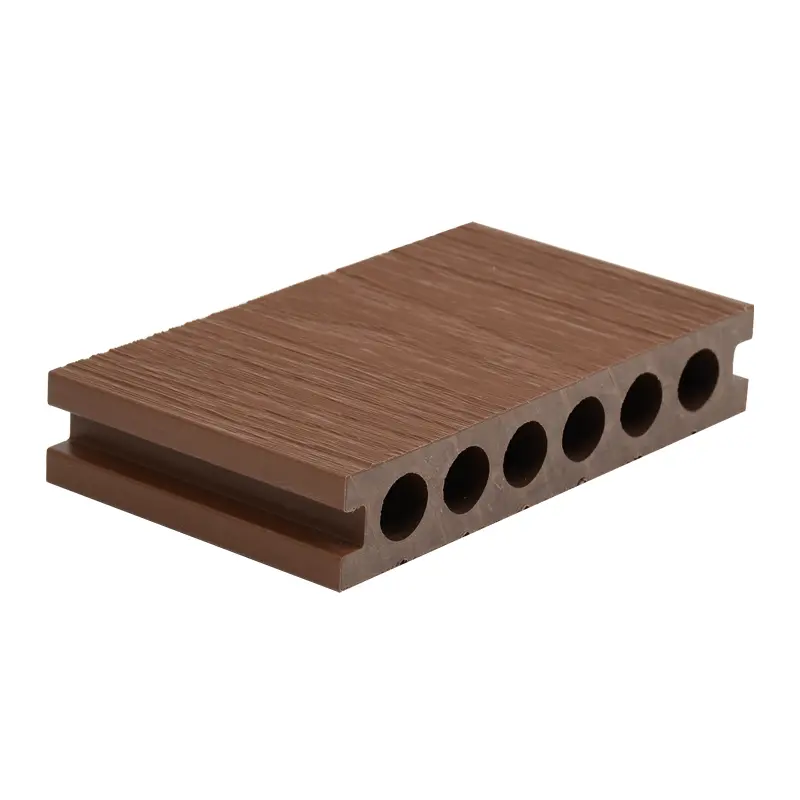
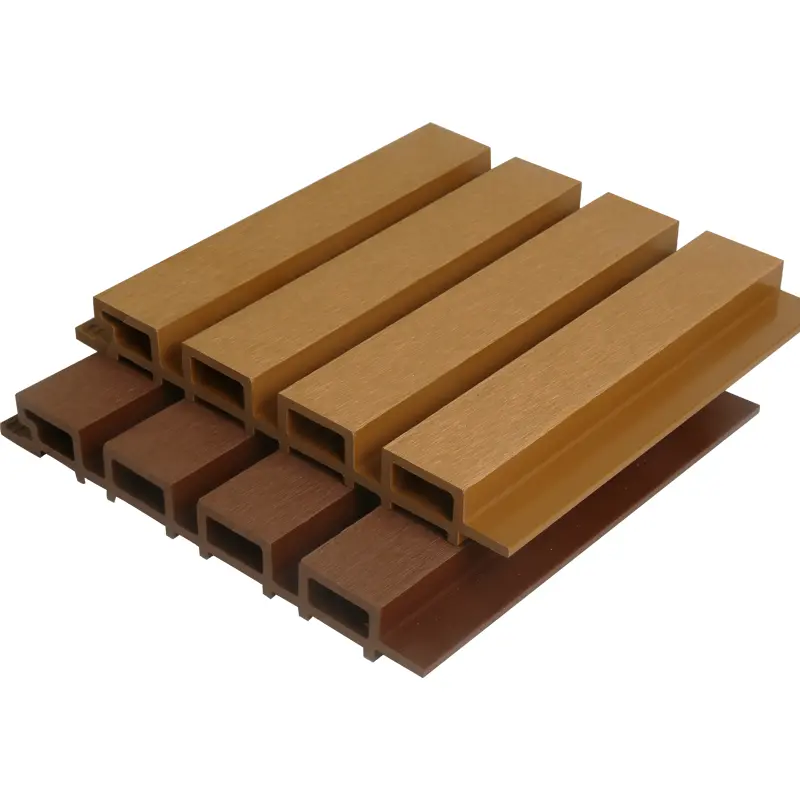
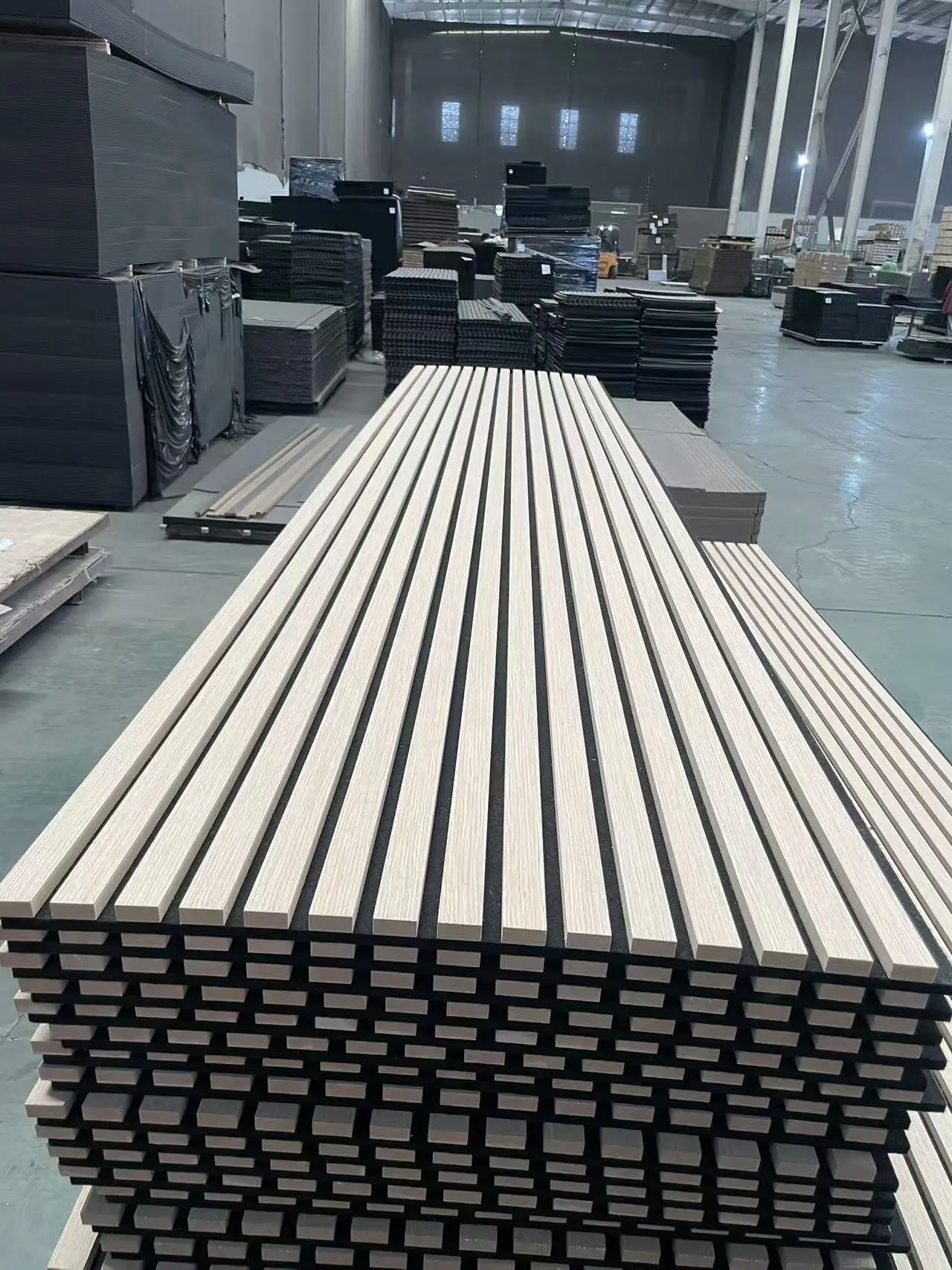
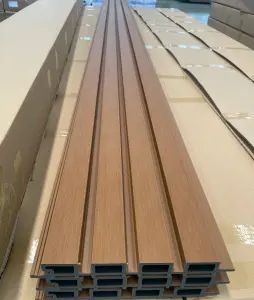
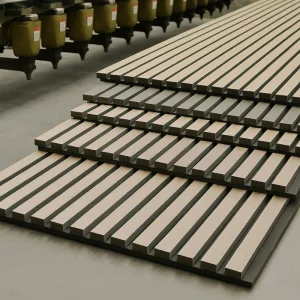
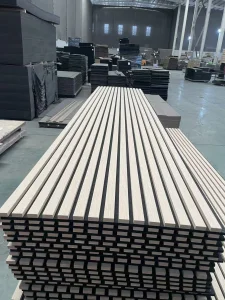
Features 120 fully automated production lines with an annual capacity of approximately 12 million square meters. Combines rich timber aesthetics with durable composite polymers for structural stability.
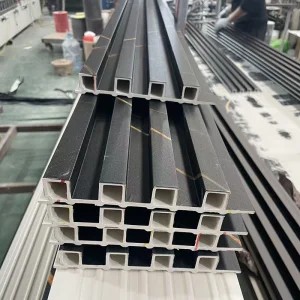
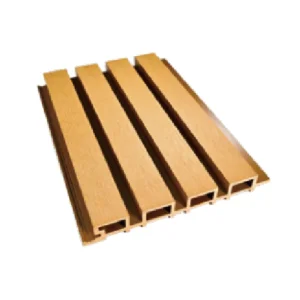
Utilizes 40 customized extrusion lines outputting 2 million sqm annually. Designed specifically for severe weatherability, corrosion protection, UV resistance, and low thermal expansion.
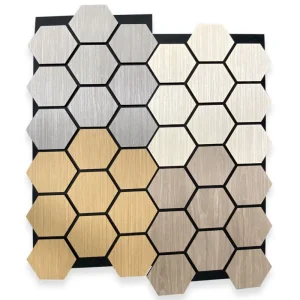
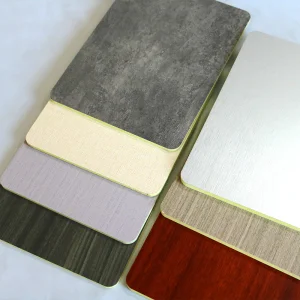
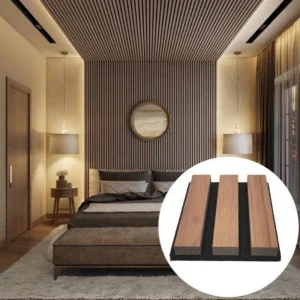
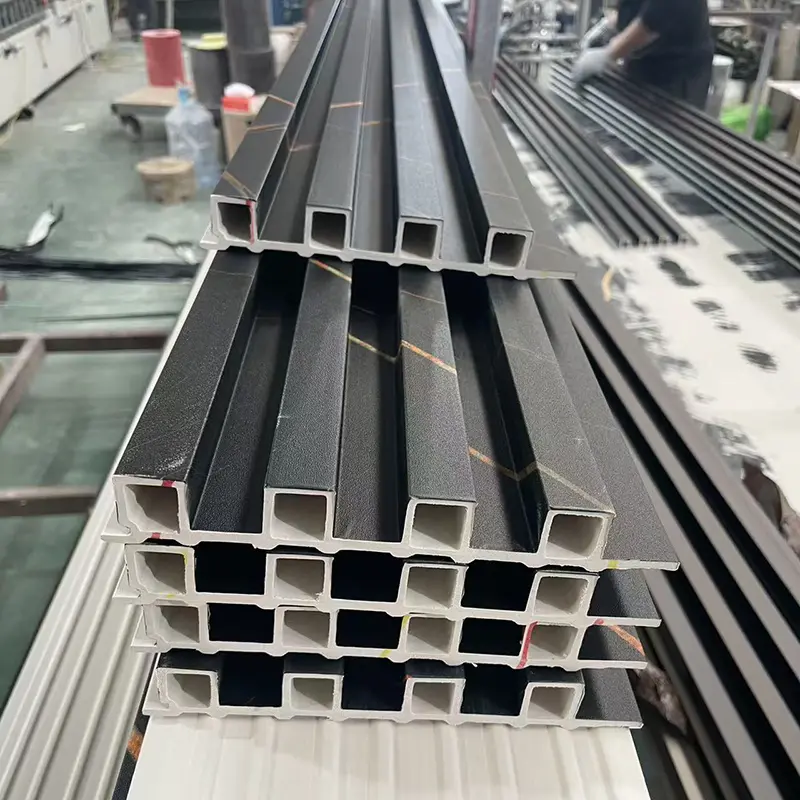
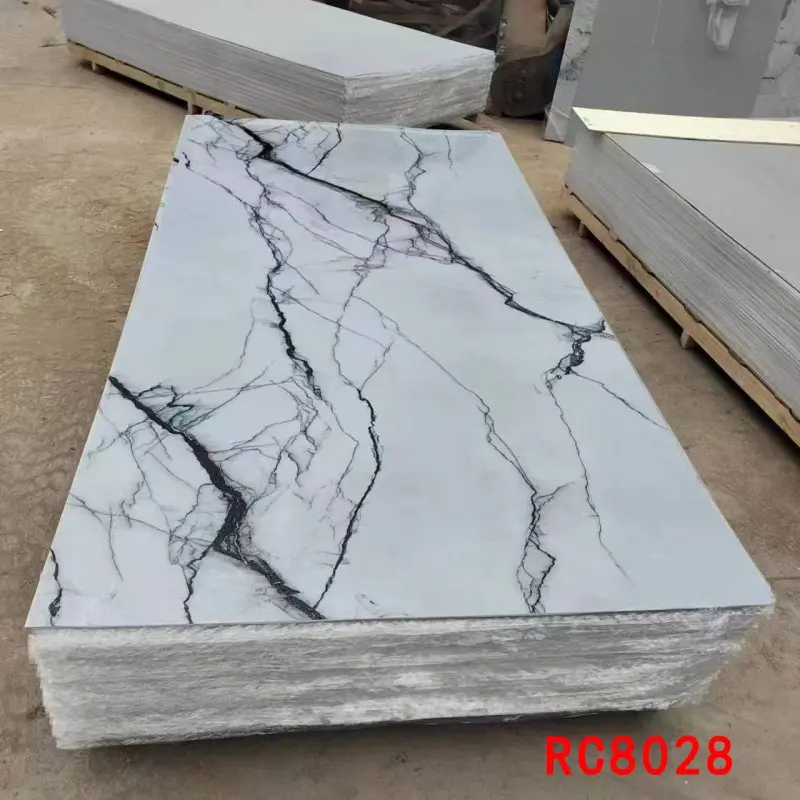
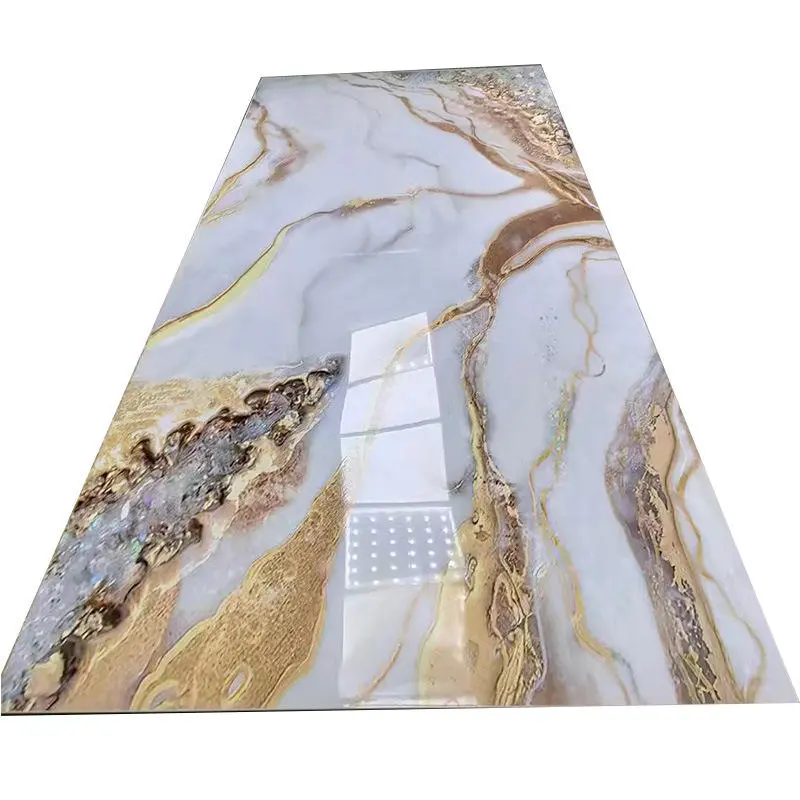
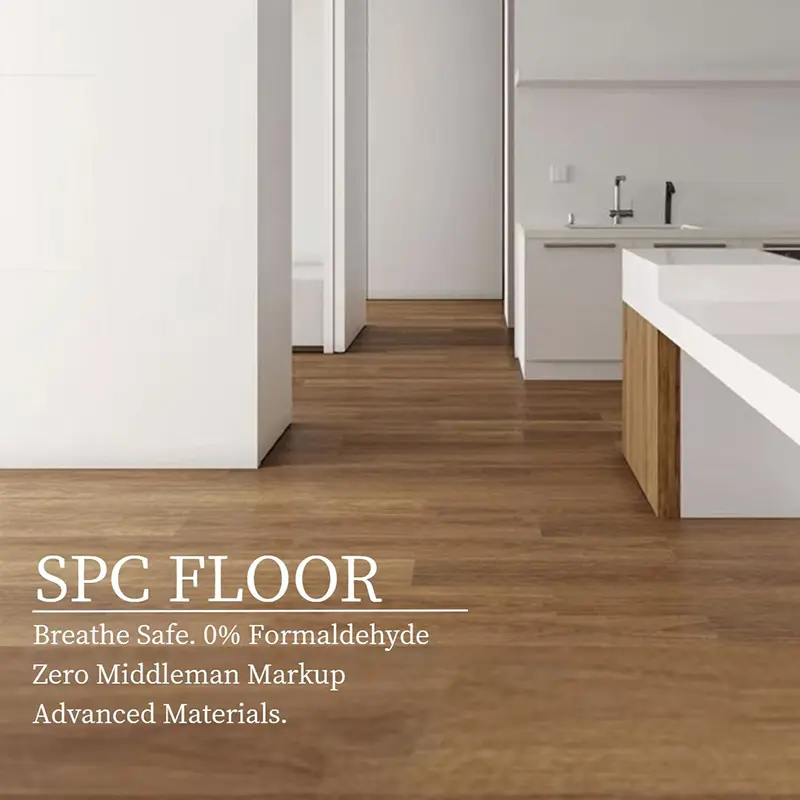
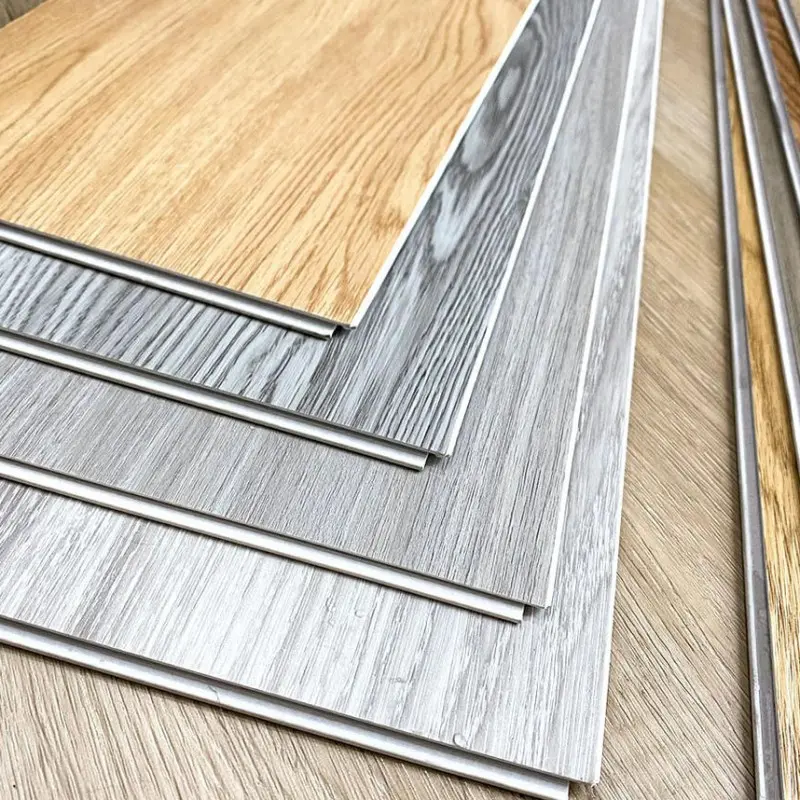
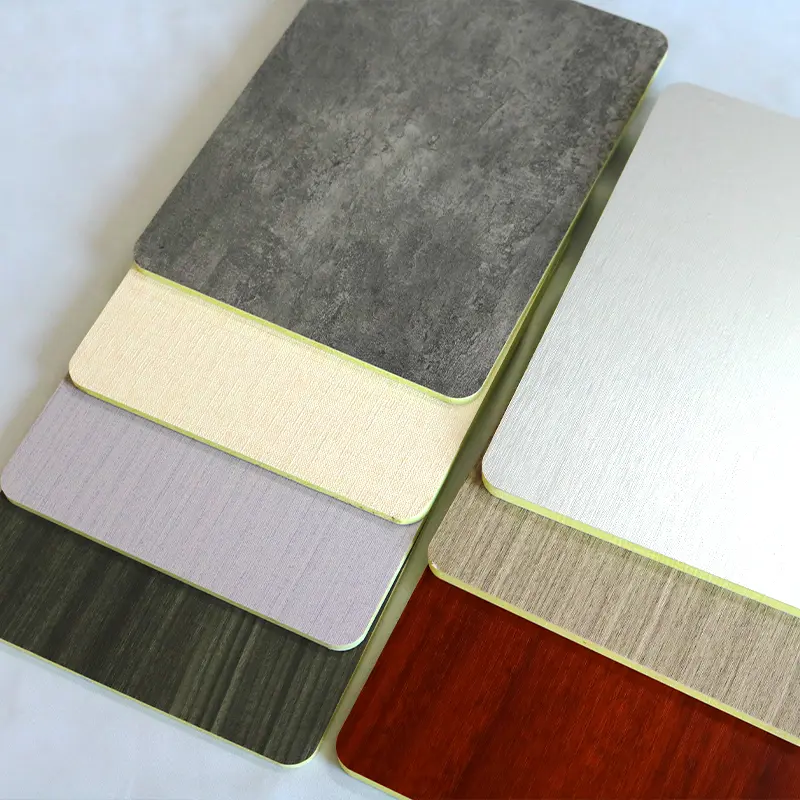
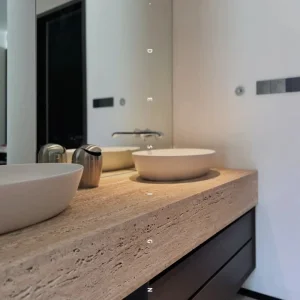
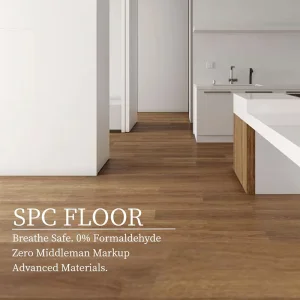
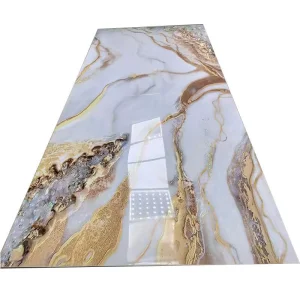
Operates 4 high-precision SPC lines (3M sqm/yr) and 12 dust-free UV coating production lines (6M sqm/yr) to fulfill interior aesthetic and structural engineering demands.
In modern architectural, municipal, and commercial outdoor landscape engineering, the demand for high-strength, weather-resistant, and low-maintenance structural posts has led to a paradigm shift. Traditional timber posts suffer from fungal decay, termite attacks, splitting, and frequent painting requirements. Steel and aluminum poles, while structurally sound, present thermal conductivity challenges, high cost burdens, rust vulnerabilities in coastal environments, and high carbon footprints.
Wood-Plastic Composite (WPC) Poles and Posts represent the technological synthesis of bio-based wood fibers and high-density thermoplastic polymers. When searching for terms such as "China Wpc Pole Factories & Factory", global B2B procurement directors, structural engineers, and architectural project managers are searching for direct factory manufacturing scale, technical co-extrusion capabilities, material density metrics, and reliable supply chain integration.
Key Information Gain Insight: Chinese WPC pole factories—headquartered in manufacturing clusters like Linyi City, Shandong Province—have transitioned from basic recycled plastic extrusion to 2nd-generation co-extrusion capped composites, nano-enhanced bio-charcoal reinforcement, and continuous online dimensional profiling.
WPC poles serve as load-bearing or semi-structural upright elements in outdoor pergolas, fencing frameworks, architectural acoustic barriers, solar shading louvers, and street lighting support systems. Their structural integrity relies on precision formulation chemistry and controlled thermal extrusion processes.
| Technical Parameter | Standard Wood Posts | 1st Gen Uncapped WPC Pole | 2nd Gen Co-Extruded WPC Pole (Linyi Standard) |
|---|---|---|---|
| Density (g/cm³) | 0.55 - 0.70 | 1.25 - 1.35 | 1.38 - 1.45 (High Density Core) |
| Water Absorption (24 hr) | 15% - 40% | < 1.5% | < 0.2% (Shielded Capping) |
| Flexural Modulus (MPa) | 7,000 - 10,000 | 2,800 - 3,500 | ≥ 4,800 (Reinforced Core Profile) |
| UV Resistance / Color Fastness | Fades rapidly, requires stain | Moderate fading (Delta E < 5) | Exceptional (Delta E < 2, 3000 hr QUV) |
| Lifespan & Warranty | 3 - 7 Years | 10 - 15 Years | 25 - 30+ Years (Maintenance-Free) |
WPC poles manufactured by specialized Chinese suppliers are deployed across diverse climate zones—from the freezing sub-zero environments of Northern Europe to the humid, high-UV coastal belts of the Middle East and Southeast Asia.
Heavy-duty hollow and aluminum-reinforced core WPC poles serve as the primary vertical load support columns for outdoor shade structures. They provide the warm organic texture of natural teak or walnut while guaranteeing zero warping or rot under constant rain and sunlight exposure.
WPC fence posts engineered with continuous slot grooves allow seamless insertion of composite tongue-and-groove fence boards. Their dimensional stability ensures that structural wind loads (up to Beaufort Scale 10) are safely dissipated without structural post shearing.
Highway and elevated rail projects utilize high-density WPC vertical posts as framing channels to hold sound-absorptive panels. WPC's innate vibration damping coefficient outperforms hollow metal posts in reducing structural acoustic resonance.
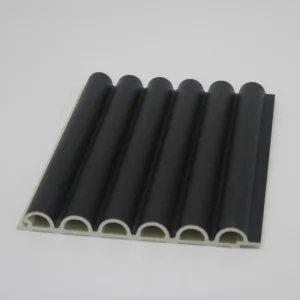
Vertical WPC tube poles mounted on exterior curtain walls act as solar shading fins. They dramatically reduce solar heat gain coefficients (SHGC) for modern office buildings while giving the facade a high-tech eco-architectural identity.
The global WPC pole manufacturing landscape in China is undergoing a massive technological evolution driven by two major market imperatives: Environmental Sustainability (ESG) and Performance Longevity.
First-generation mono-extruded composite poles exposed wood fibers directly to the elements, leading to slow moisture uptake and surface fading over decades. Modern Chinese factories now utilize multi-layer co-extrusion. A durable, non-porous fluorocarbon-modified outer polymer sheath encapsulates the core structural matrix. This outer cap provides maximum resistance against scratches, oil stains, mold growth, and extreme atmospheric ozone decay.
Leading manufacturers like Linyi Rich New Materials Co., Ltd. have pioneered the infusion of micro-porous bamboo charcoal and nano-carbon additives into the composite core matrix. Bamboo charcoal acts as a natural dehumidifier and structural binder, raising the heat deflection temperature (HDT) of the composite pole, allowing it to withstand high heat environments without thermal deflection.
When selecting a supplier from among the vast directory of China WPC Pole factories, enterprise buyers must evaluate manufacturers based on strict Quality Assurance (QA) and Quality Control (QC) frameworks:
Full integration of enterprise production capabilities, customized board profiles, and eco-friendly structural lines.
Technical answers compiled by senior composite engineers and global B2B procurement advisors.
High-performance eco-friendly architectural materials manufactured directly by automated facility lines in Shandong, China.
 Rich New Materials