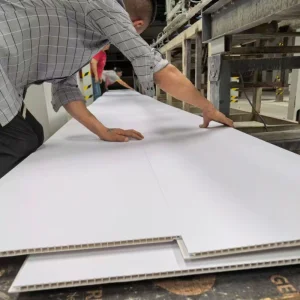
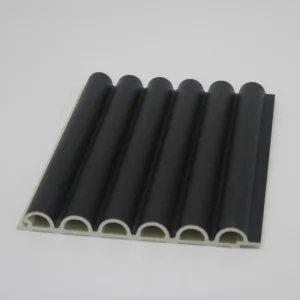
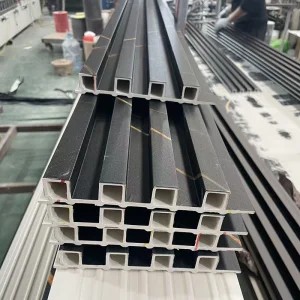
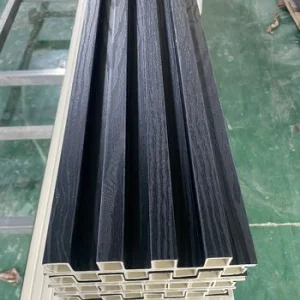
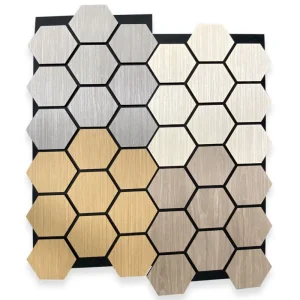
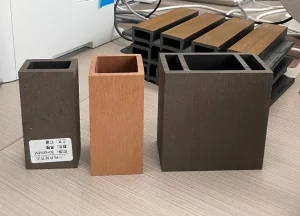
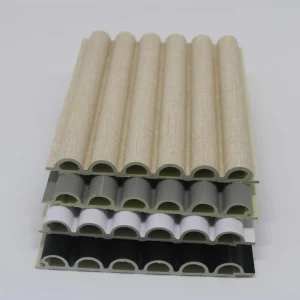
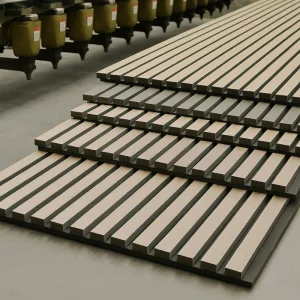
Explore our flagship high-density interior and exterior wall panels engineered for extreme durability, zero moisture absorption, and precise OEM custom profiles.
The global architectural and building materials market is undergoing a structural transition toward bio-based composites, non-toxic polymer matrices, and rapid-install interior/exterior cladding solutions. Wood-Plastic Composites (WPC)—synthesized through precise thermal extrusion of micro-milled timber fiber, thermoplastic polymers (polyethylene, polypropylene, or polyvinyl chloride), and functionalized coupling agents—have emerged as the definitive substitute for traditional timber, medium-density fiberboard (MDF), and energy-intensive aluminum extrusions.
Driven by stringent decarbonization mandates such as the European Union’s Green Deal, North American LEED v4 certification criteria, and global ESG (Environmental, Social, and Governance) compliance standards, procurement heads and commercial project directors are increasingly turning to China’s advanced WPC manufacturing cluster. China has evolved from a low-cost production hub into an advanced material science powerhouse, pioneering co-extrusion technology, ultra-realistic digital grain printing, micro-foaming structural core engineering, and carbon-negative bamboo fiber formulations.
First-generation monolithic WPC composites often suffered from surface oxidation, color fading under UV exposure, and differential thermal expansion. Modern Chinese Tier-1 factories utilize Multi-Layer Co-Extrusion Technology. This process coats a high-density core with a 360-degree protective shield made of modified fluorocarbon polymer or ultra-durable ASA (Acrylonitrile Styrene Acrylate). The result is zero water absorption (<0.5%), enhanced scratch resistance (Shore H scale >4), and zero color shift (ΔE < 1.0) over a decade of severe weather exposure.
Leading Chinese factories incorporate up to 80% recycled post-industrial plastics and sustainably harvested timber residue. This drastically reduces the embodied carbon footprint of commercial construction projects without compromising structural tensile modulus or flexural strength.
By blending active bamboo charcoal powder into the PVC/WPC core matrix, modern interior panels provide formaldehyde adsorption, electromagnetic shielding, and superior acoustic damping—crucial for commercial office and hospitality developments.
State-of-the-art CNC die engraving enables complex geometric profiles, fluted acoustics, micro-grooved slats, and seamless interlocking tongue-and-groove systems that reduce job-site installation labor costs by up to 65%.
At the epicenter of this industrial evolution is LINYI RICH NEW MATERIALS CO., LTD. Headquartered in Linyi City, Shandong Province—the logistics and composite manufacturing capital of China—the enterprise represents the pinnacle of Modernized Industry 4.0 integrated manufacturing and global trade execution.
Operating across an intelligent production ecosystem spanning over 100,000 square meters, Linyi Rich New Materials integrates automated gravimetric batching systems, real-time extrusion temperature closed-loops, and strict ISO9001 quality gating systems. The factory houses over 300 highly specialized chemical engineers, die designers, and polymer production technicians, guaranteeing batch-to-batch consistency and technical precision.
Supply chain reliability is maintained through dedicated production clusters designed to handle multi-container B2B orders, private label OEM programs, and custom architectural specifications without production bottlenecks:
| Product Line Division | Active Line Count | Annual Production Capacity | Core Material Composition & Technical Highlights |
|---|---|---|---|
| WPC Grating & Interior Panels | 120 Automated Lines | 12,000,000 SQM | High-density wood fiber + PVC resin core; lightweight, high flexural strength. |
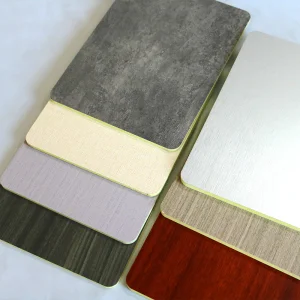
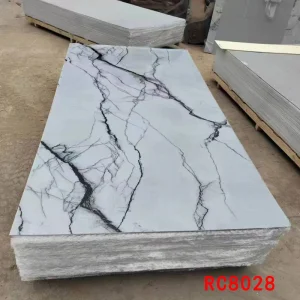
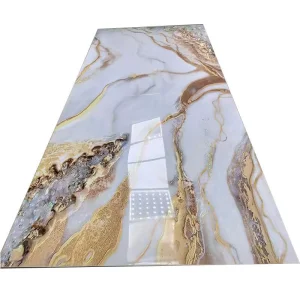
| UV Marble & High-Gloss Sheets | 12 Custom Lines | 6,000,000 SQM | Dust-free UV curing chamber; scratch-resistant poly-carbonate top layer. |
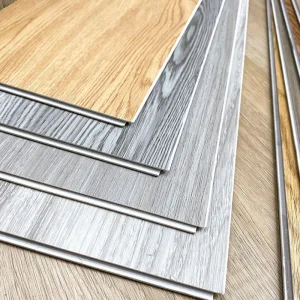
| SPC Rigid Core Flooring | 4 Precision Lines | 3,000,000 SQM | Natural limestone (CaCO3) + PVC composite core; zero formaldehyde, IXPE underlayment. |
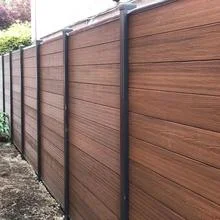
| Outdoor WPC Decking & Facades | 40 Heavy-Duty Lines | 2,000,000 SQM | Co-extruded HDPE matrix; extreme climate resilience (-40°C to +60°C), anti-UV. |
| Carbon Fiber Composite Panels | 6 Specialized Lines | 1,000,000 SQM | Ultra-rigid carbon polymer core with proprietary CNC grooving capability. |
| PS Wall Panels & Mouldings | 6 Precision Lines | 200+ Custom Moulds | Expanded Polystyrene micro-foam; ultra-lightweight, 100% moisture-proof. |
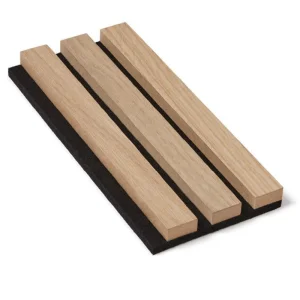
| Acoustic Wood Slat Panels | Full In-House Suite | Customized Output | High-density recycled PET acoustic felt base with real wood/WPC veneered slats. |
To succeed in modern architecture, WPC panels must pass rigorous performance criteria. B2B buyers must evaluate composite panels based on chemical stability, fire propagation behavior, structural loading, and thermal expansion dynamics.
Linyi Rich New Materials incorporates inorganic flame retardants (aluminum trihydrate and antimony trioxide) into the PVC/WPC matrix. Under combustion testing, the panels exhibit self-extinguishing behavior within 3 seconds, low smoke toxicity (s1 status), and zero burning droplets (d0 status).
Unlike natural timber, which swells and warps under relative humidity variations, extruded WPC panels maintain an equilibrium moisture absorption rate of less than 0.2%. This structural stability prevents delamination, rot, and fungal degradation in high-humidity zones like spa centers, coastal hotels, and basements.
Our acoustic wall panels combine micro-perforated WPC fascia with sound-absorbing recycled PET backing. This setup achieves a Noise Reduction Coefficient (NRC) rating of up to 0.85, efficiently dampening mid-to-high frequency reverberations in auditoriums and open-plan offices.
Density: 0.95 - 1.45 g/cm³ | Flexural Strength: ≥ 38 MPa | Impact Resistance: ≥ 15 kJ/m² | Formaldehyde Emission: E0 Grade (≤ 0.05 mg/m³ / EN 717-1) | Linear Thermal Expansion: α ≤ 3.5 × 10⁻⁵ /K
Procuring custom building materials directly from Chinese manufacturers requires a structured quality assurance workflow. Overseas importers, wholesalers, and project developers benefit from a streamlined OEM/ODM customization pathway:
Clients submit structural drawings or target samples. Our technical center utilizes 3D CAD/CAM software to engineer custom extrusion dies within 7 to 10 days, optimizing wall thickness and internal ribbing for structural integrity.
We perform spectrophotometer color matching (Pantone / RAL systems) and offer over 1,000 surface finishes: hot-stamping film, metallic laminates, deep-embossed natural timber textures, and ultra-high-gloss UV marble coatings.
Every batch undergoes destructive flexural testing, boiling water boil-delamination trials, and precise dimensional checkouts. Finished panels are packed with protective polyethylene films, edge corner guards, and seaworthy fumigated wooden pallets.
Our expansive product catalog meets diverse design aesthetic and architectural needs across worldwide commercial, residential, and industrial environments.
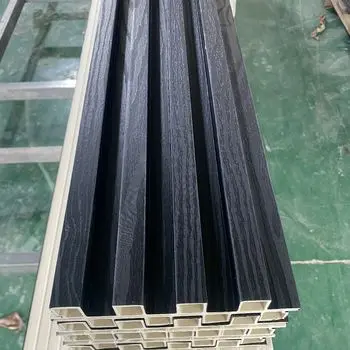
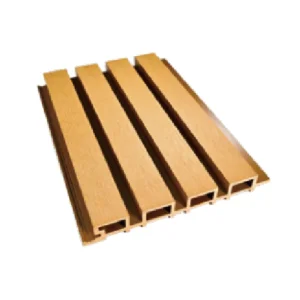
WPC Interior Fluted Panel
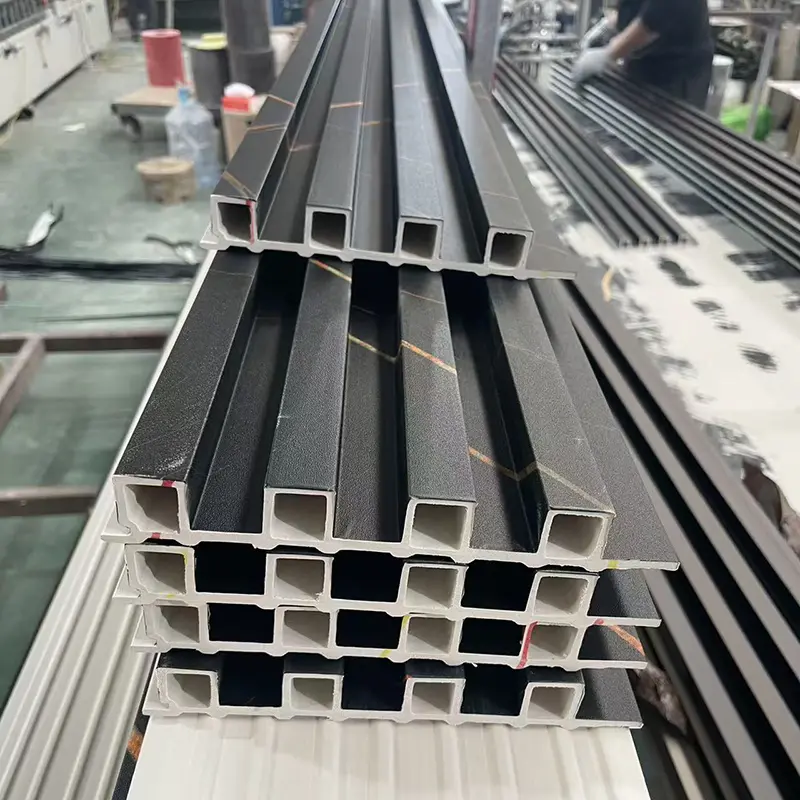
Architectural WPC Panel
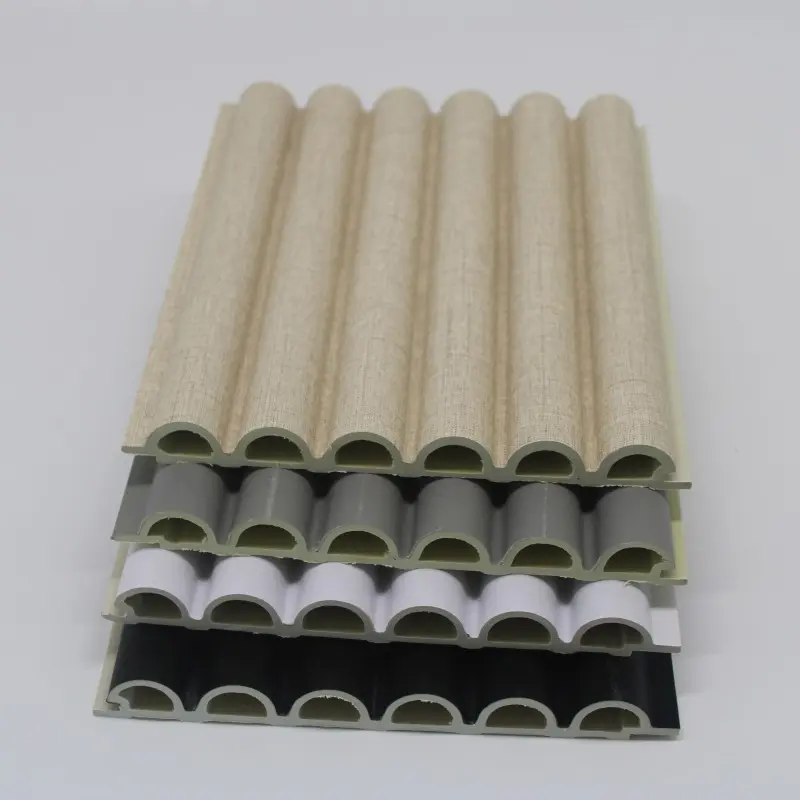
Semicircular Fluted WPC
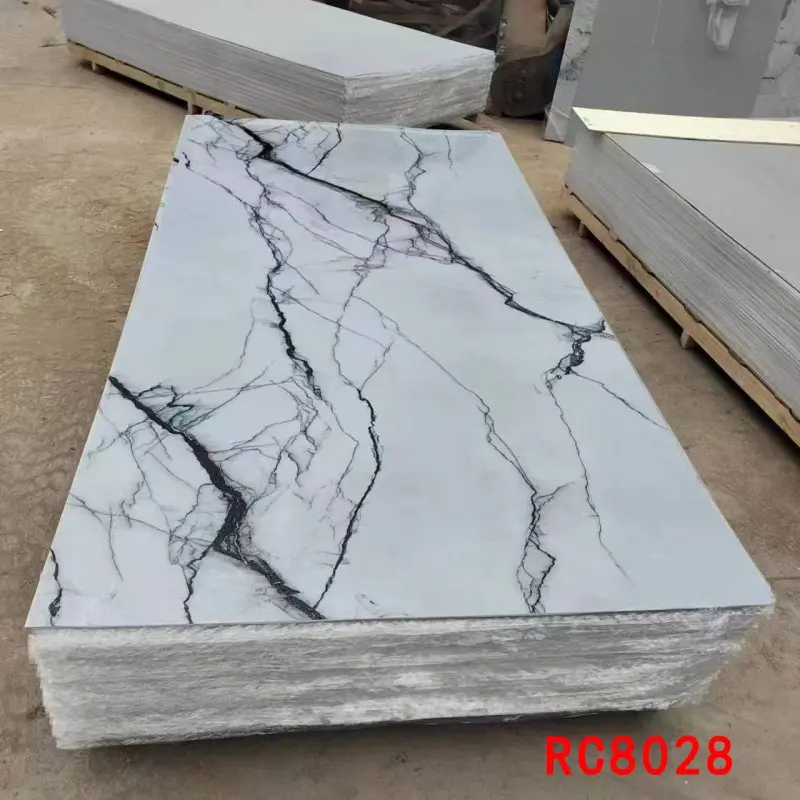
High-Gloss UV Marble Sheet
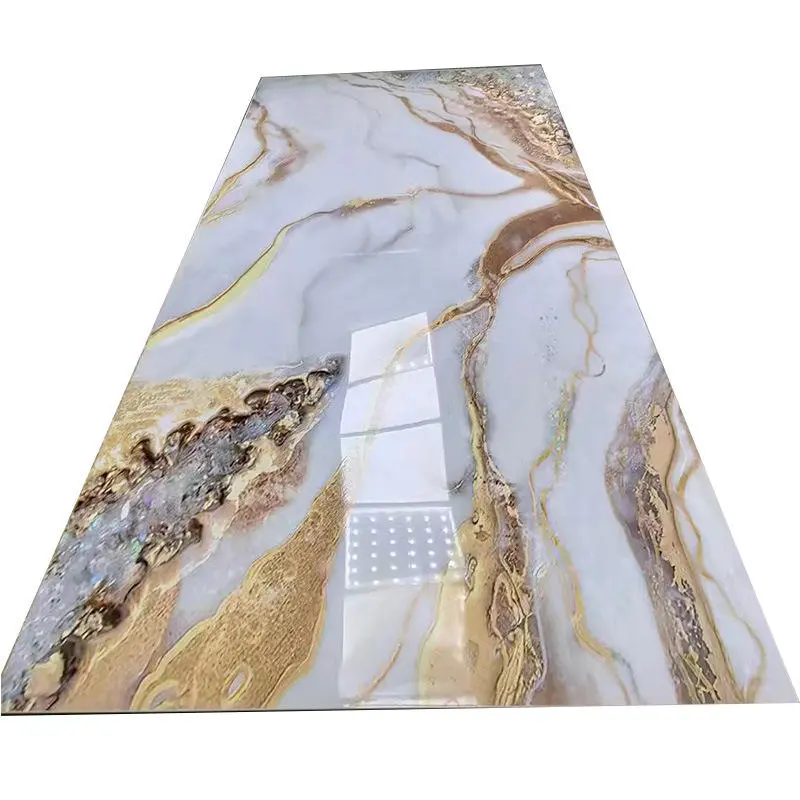
UV-Cured Wall Sheet
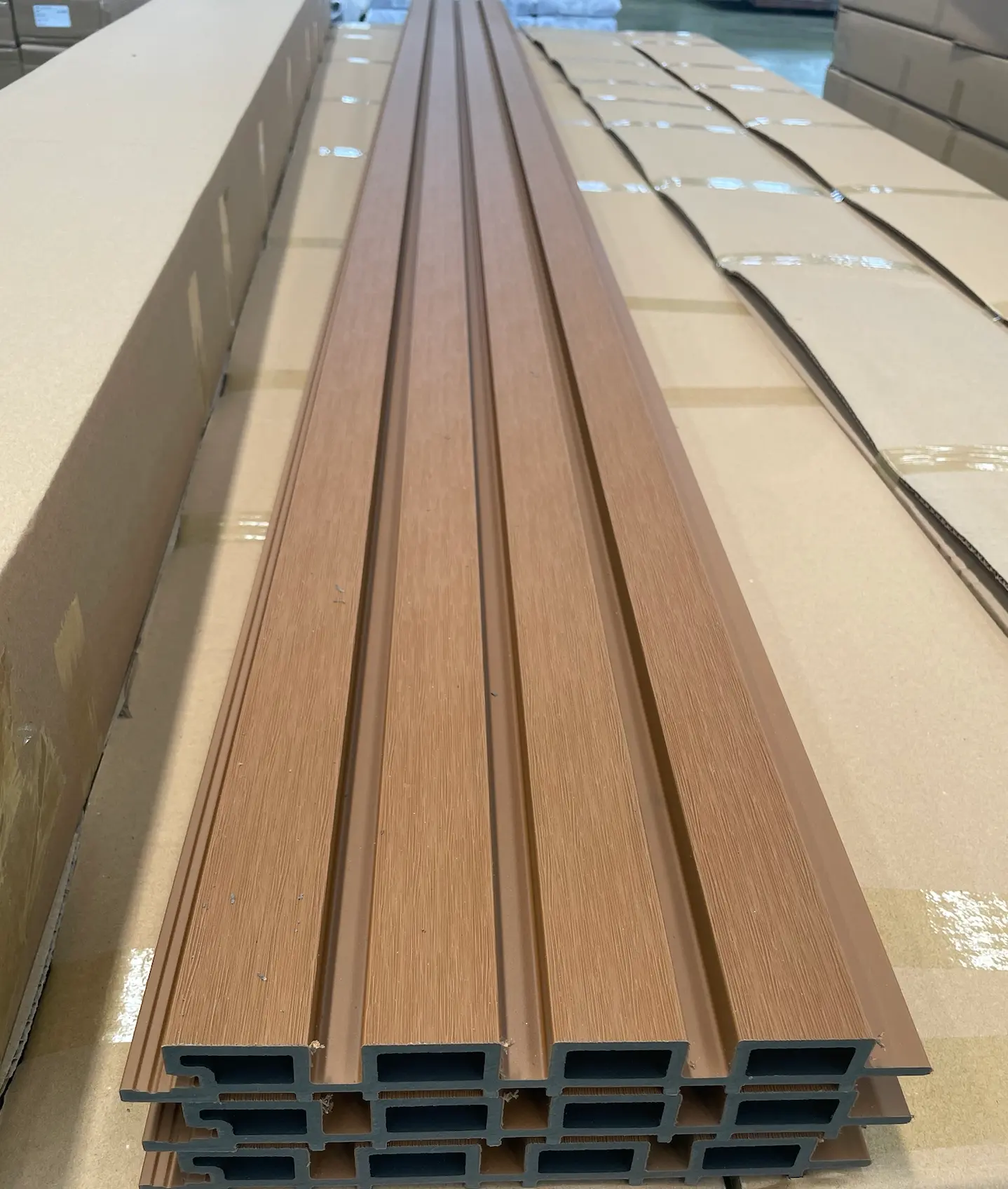
Exterior WPC Cladding
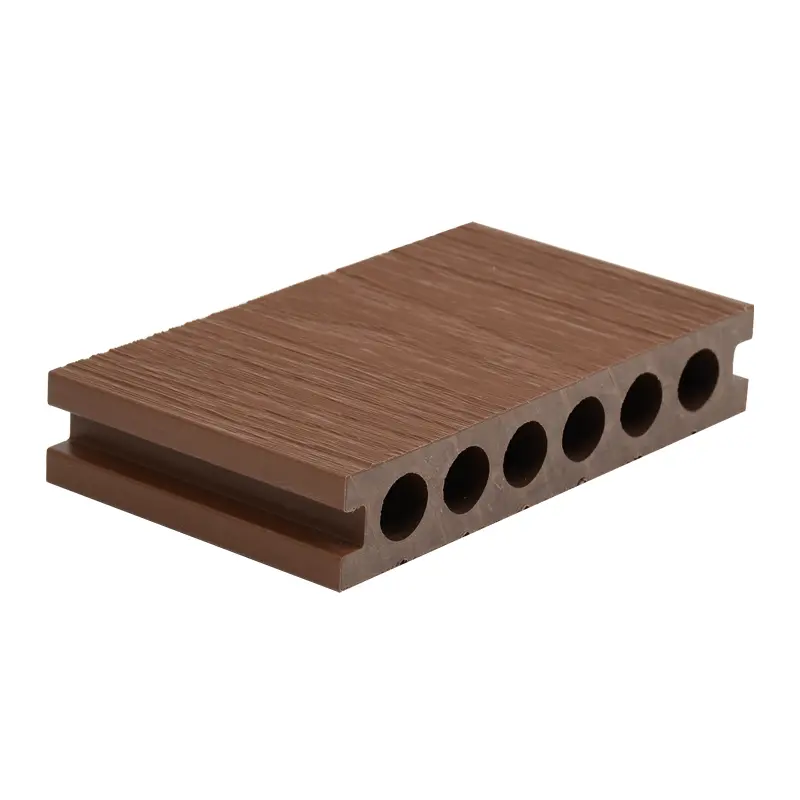
Maintenance-Free WPC Decking
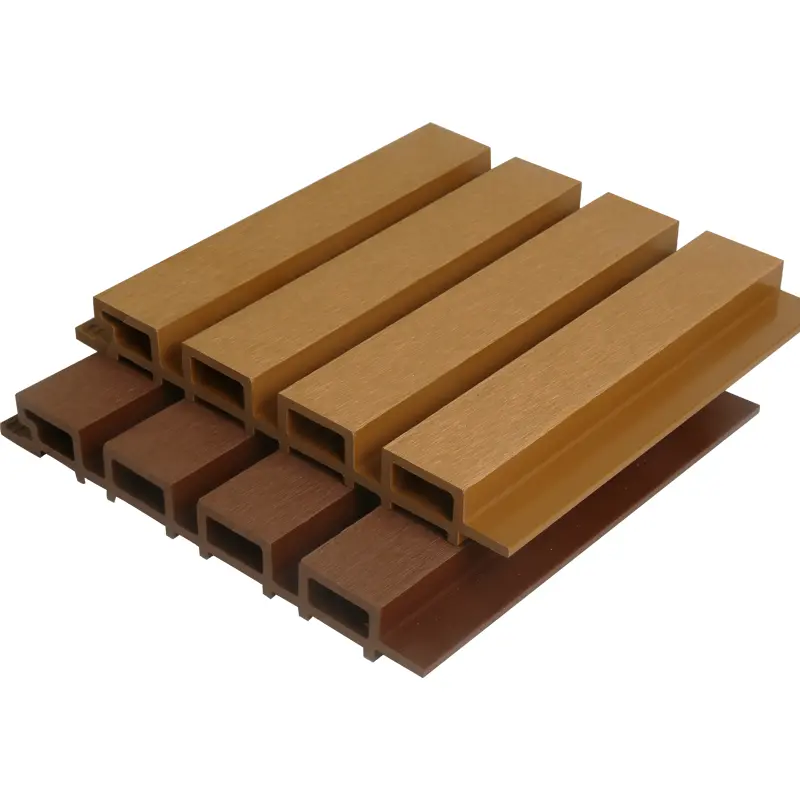
Anti-Corrosion Exterior Panel
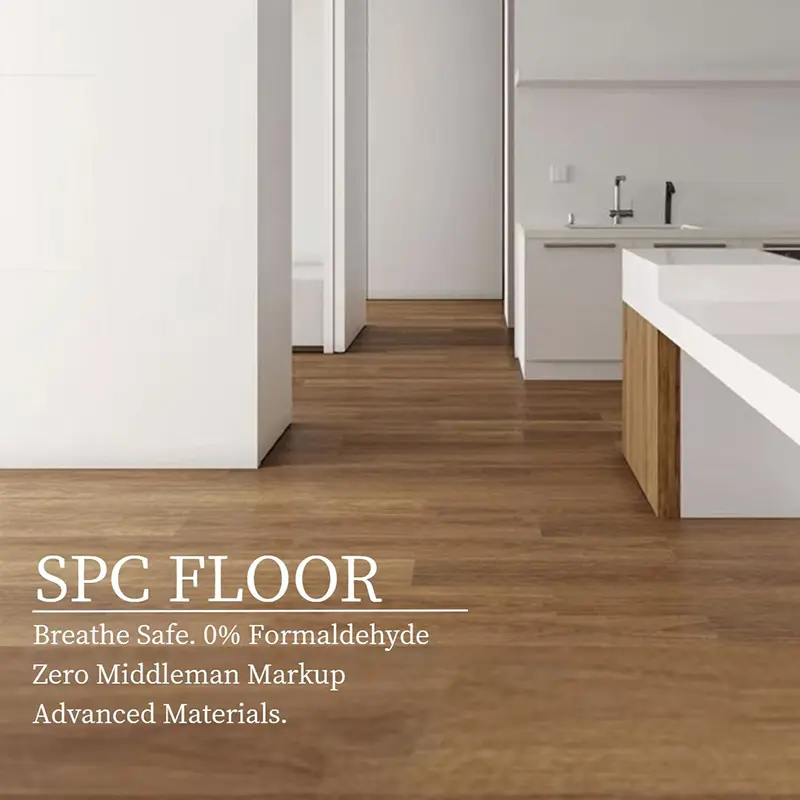
Rigid Core SPC Flooring
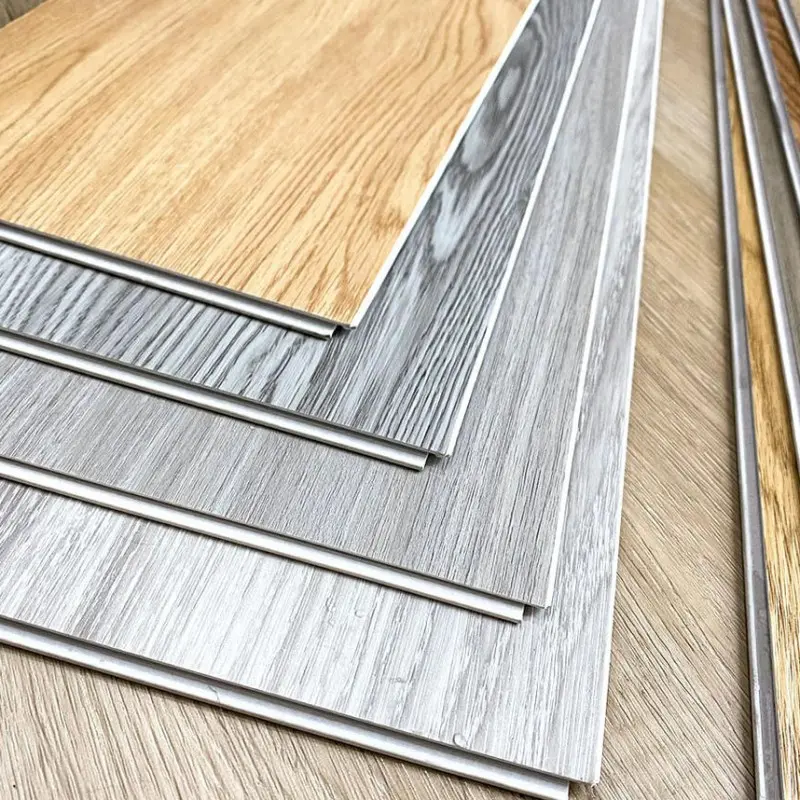
Commercial SPC Flooring
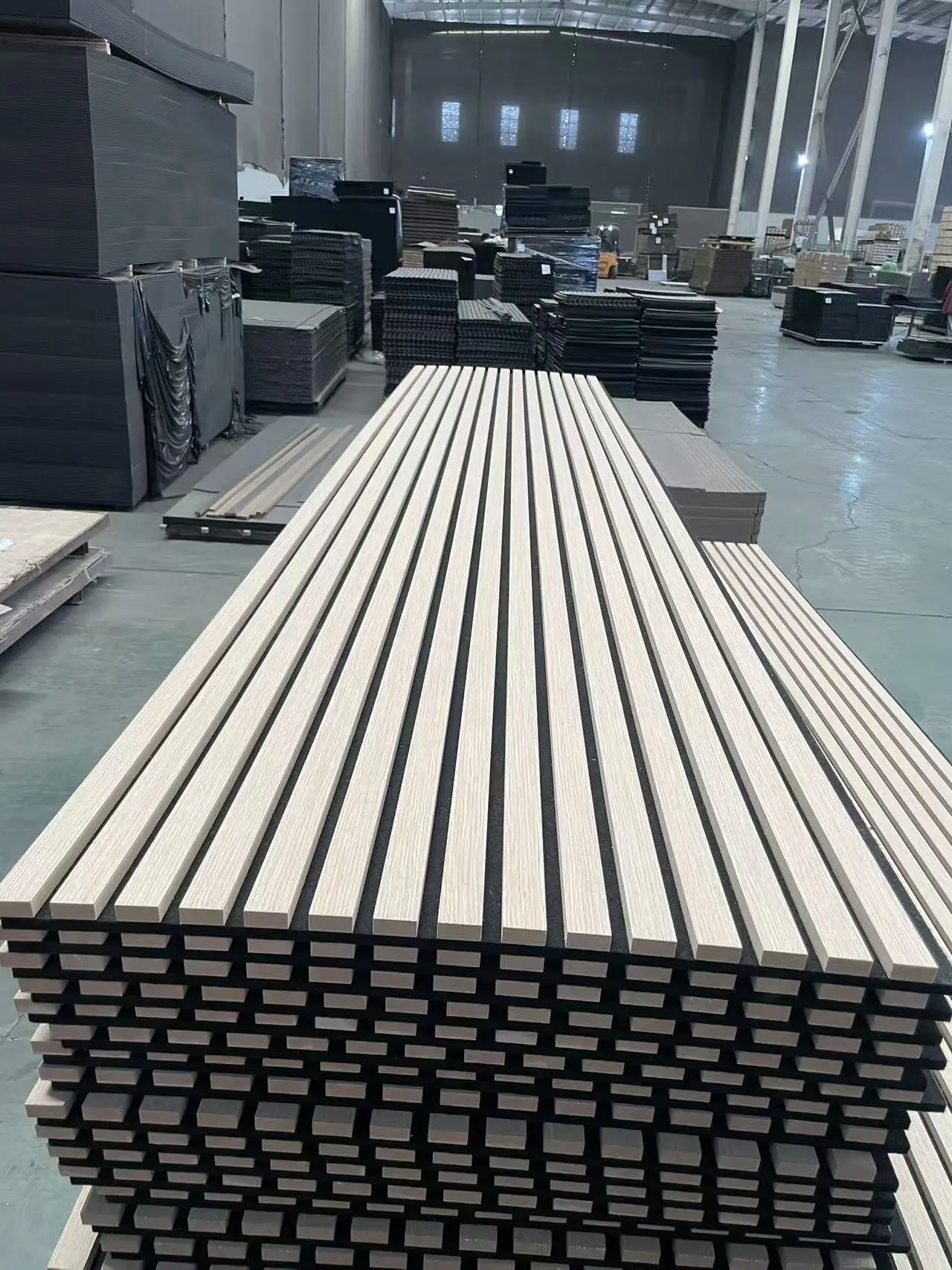
Acoustic Wood Slat Panel
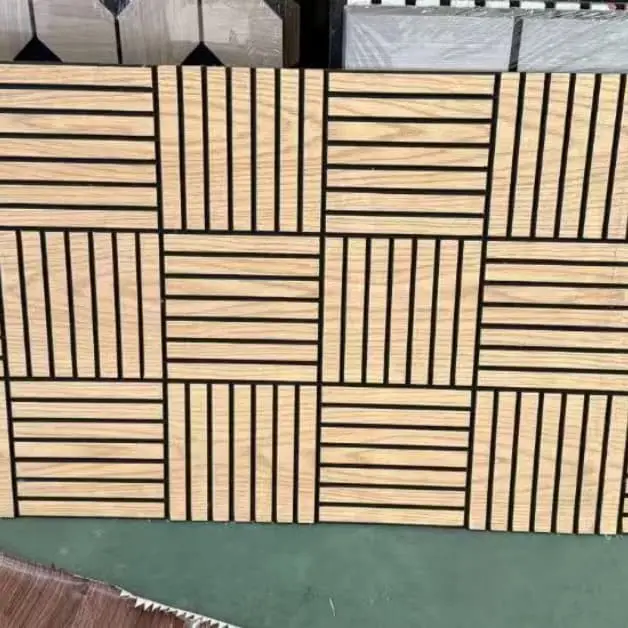
Custom Shape Acoustic Panels
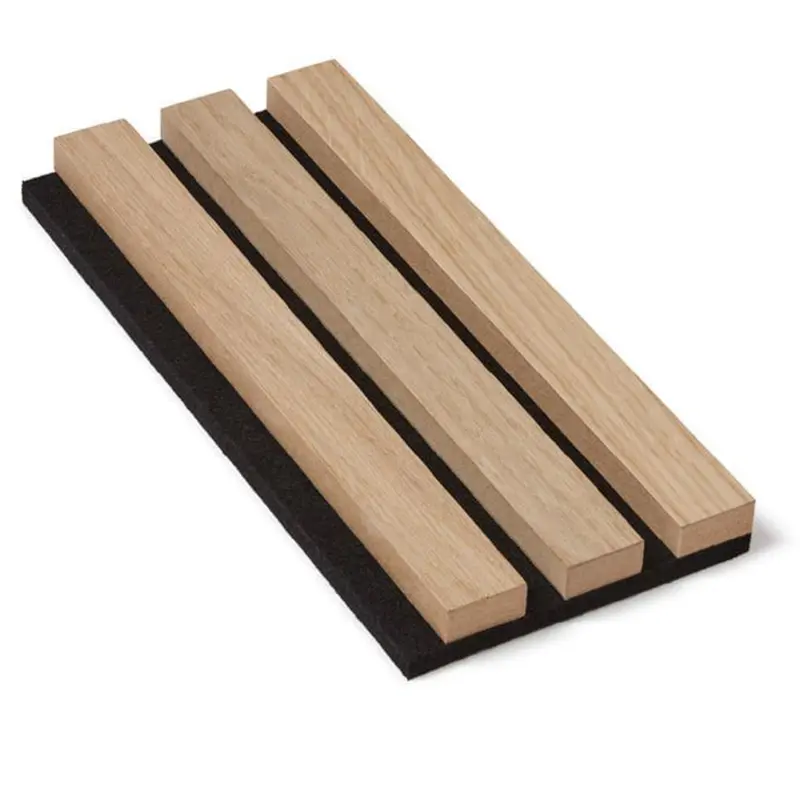
Soundproofing Slat Wall
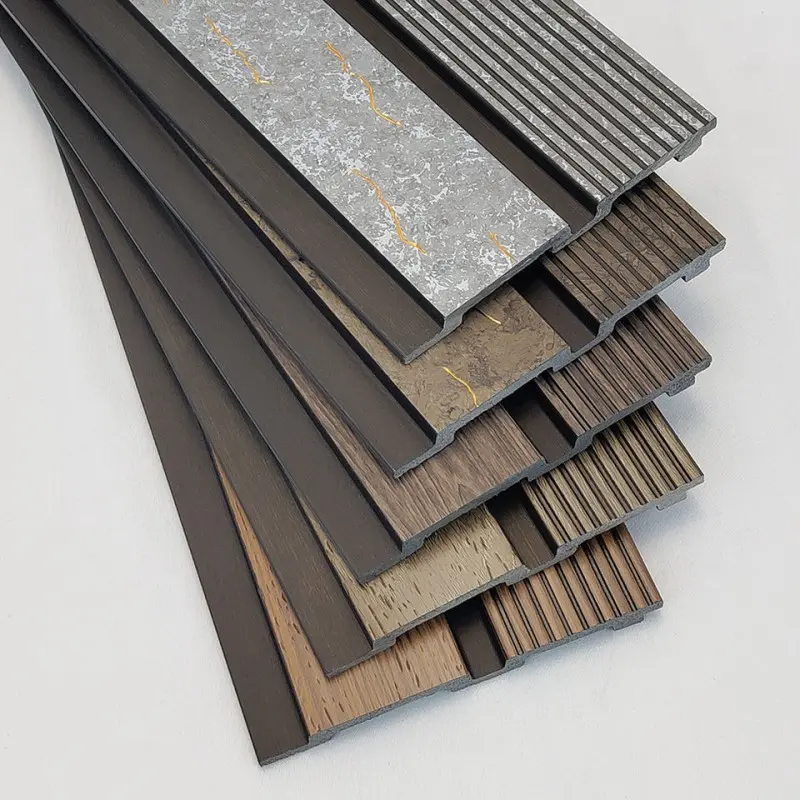
Decorative PS Wall Panels
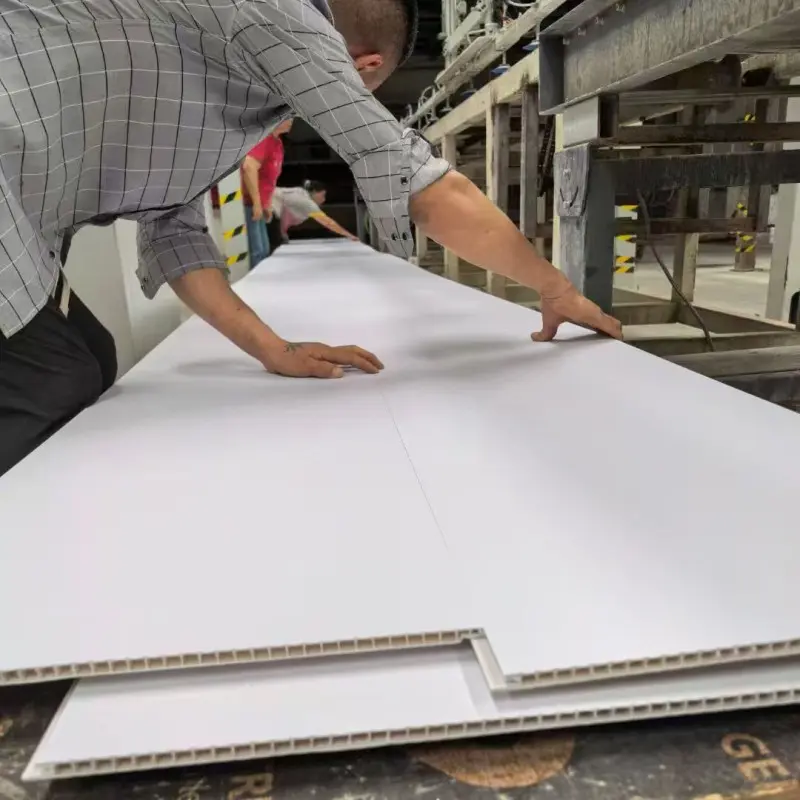
Wood Grain PVC Ceiling
Flexible Stone Veneer
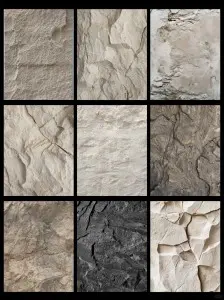
Lightweight PU Stone
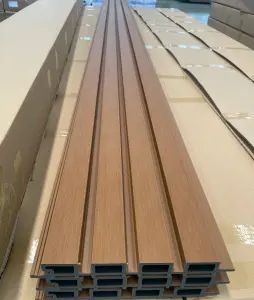
Heavy-Duty Outdoor Facade
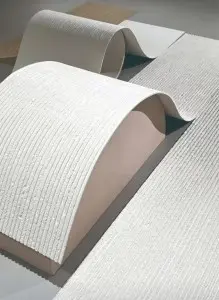
Modern Exterior Cladding
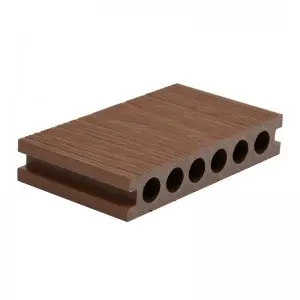
Anti-Slip Composite Decking
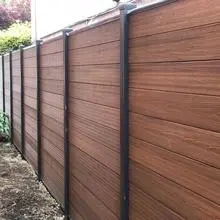
Co-Extruded WPC Fencing
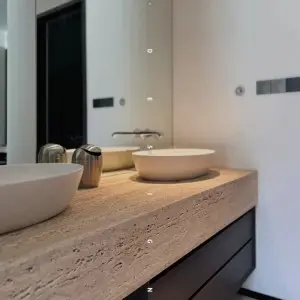
Soft Stone Architectural Tile
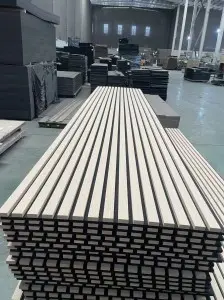
Designer Acoustic Slat Wall
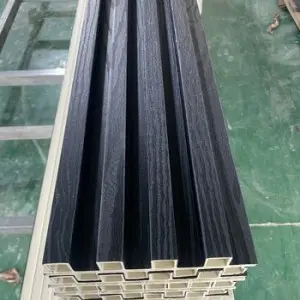
Factory Direct WPC Wall Panel
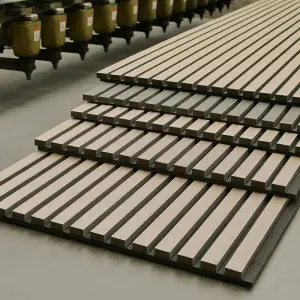
Soundproofing Wall Panel
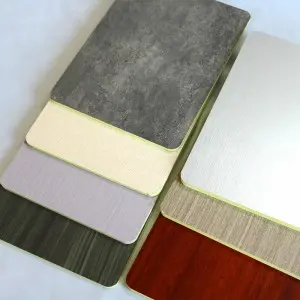
Bamboo Charcoal Veneer
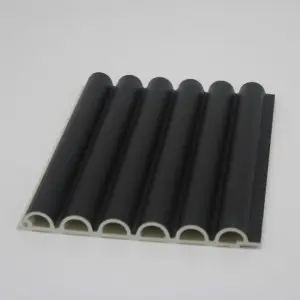
Moisture-Proof Indoor WPC
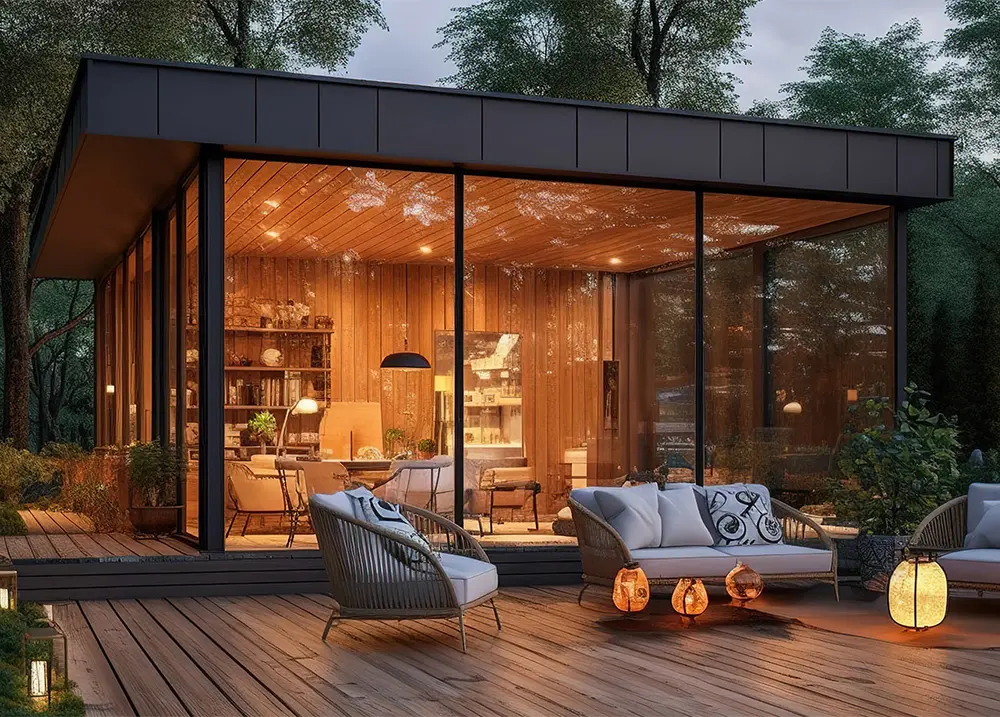
Heavy-Duty Outdoor Decking
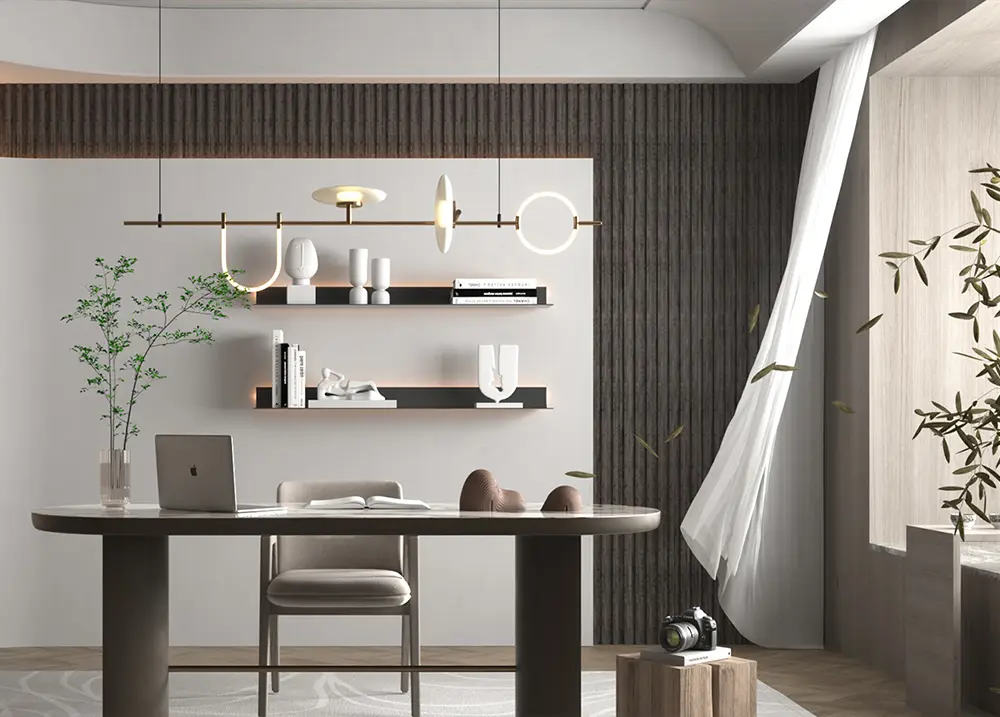
Commercial Interior Wall Panel
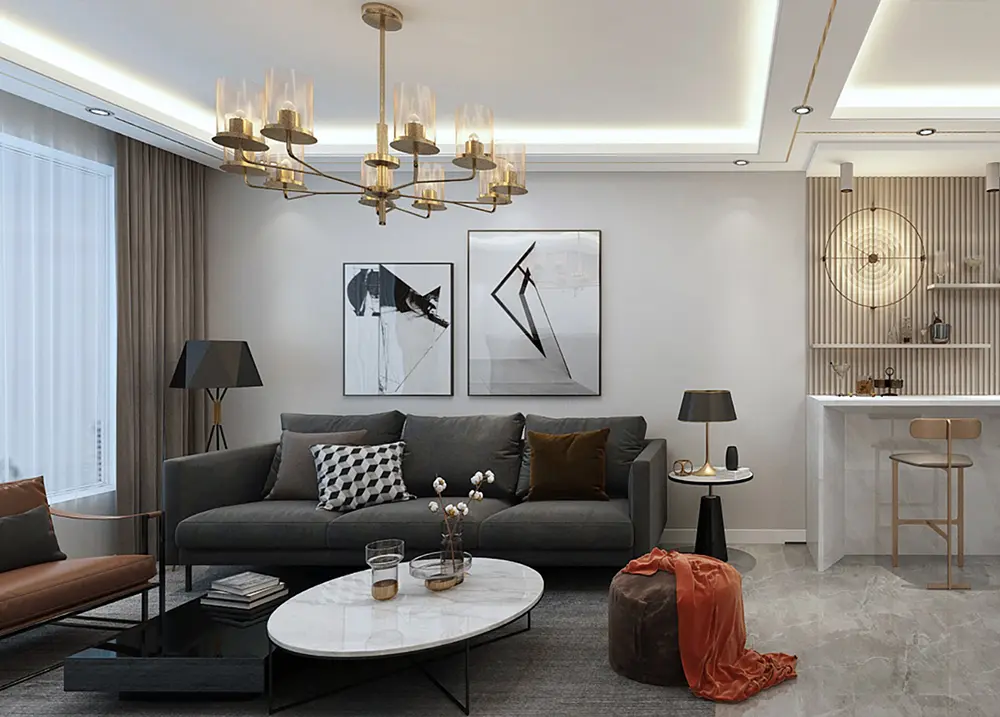
Residential Decorative Fluting
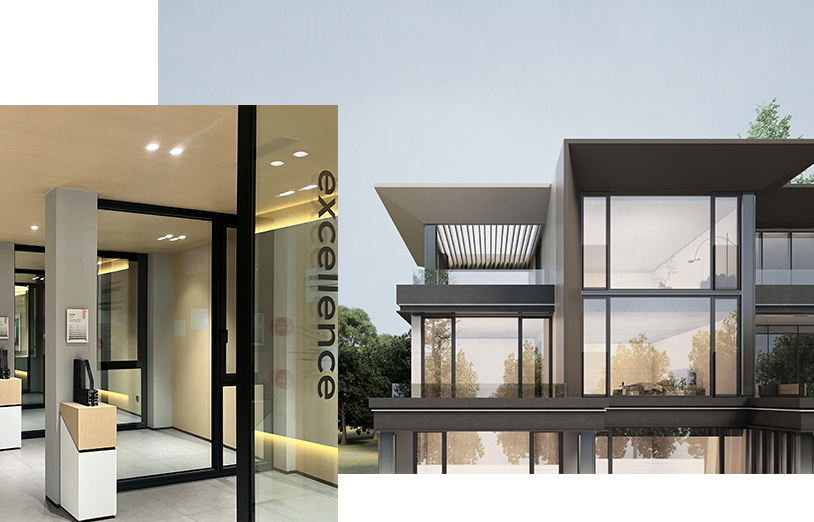
Industrial Base Facility Overview
The engineering versatility of China WPC panel systems translates across multi-sector real estate and infrastructure developments worldwide:
Installed across resort bathhouses, indoor swimming complexes, and coastal hotel corridors. The combination of SPC flooring and PVC ceiling systems prevents mold growth, eliminates water damage repairs, and withstands chlorine exposure.
Modern open-plan offices utilize acoustic wood slat panels along conference room perimeters to reduce echo, optimize speech intelligibility, and deliver a warm Scandinavian architectural aesthetic.
Co-extruded outdoor WPC wall cladding panels are deployed across North American and Northern European climates, standing up to freeze-thaw cycles, sub-zero snow loads, and intense summertime solar radiation.
WPC panels offer complete moisture resistance, zero vulnerability to termite or insect infestation, consistent dimensional stability without warping or checking, self-extinguishing fire performance (Class B1), and complete elimination of annual sealing, painting, or staining maintenance costs.
Our outdoor composite panels utilize 360-degree co-extrusion technology featuring an exterior polymer shield infused with high-grade UV stabilizers and light-fast inorganic pigments. This guarantees a Delta E color variance of less than 1.0 after 3,000 hours of accelerated Xenon arc weathering tests.
Standard profile colors typically carry an MOQ of 500 square meters per specification. Custom OEM die tooling requires 7 to 10 days for precision engineering, with sample approval within 3 days and full containerized mass production completed in 15 to 20 days.
Yes. All indoor WPC, PVC ceiling, and Bamboo Charcoal Veneer panels comply with strict E0 formaldehyde release limits (≤0.05 mg/m³) and pass ISO 16000 VOC emission evaluations, ensuring zero hazardous off-gassing in residential, healthcare, and educational spaces.
The linear coefficient of thermal expansion (α) for our WPC formulations is approximately 3.5 × 10⁻⁵ /K. During installation, expansion gaps of 3–5 mm are designed into hidden clip or tongue-and-groove track systems to accommodate extreme seasonal temperature fluctuations.
When installed according to factory structural framing and drainage guidelines, indoor WPC systems offer an operational lifespan exceeding 25 years, while co-extruded outdoor WPC cladding carries a structural durability rating of 15 to 20 years under severe environmental exposure.
Browse our additional line of specialized acoustic panels, UV marble sheets, PS decorative mouldings, and heavy-duty composite fencing systems available for global export.
 Rich New Materials